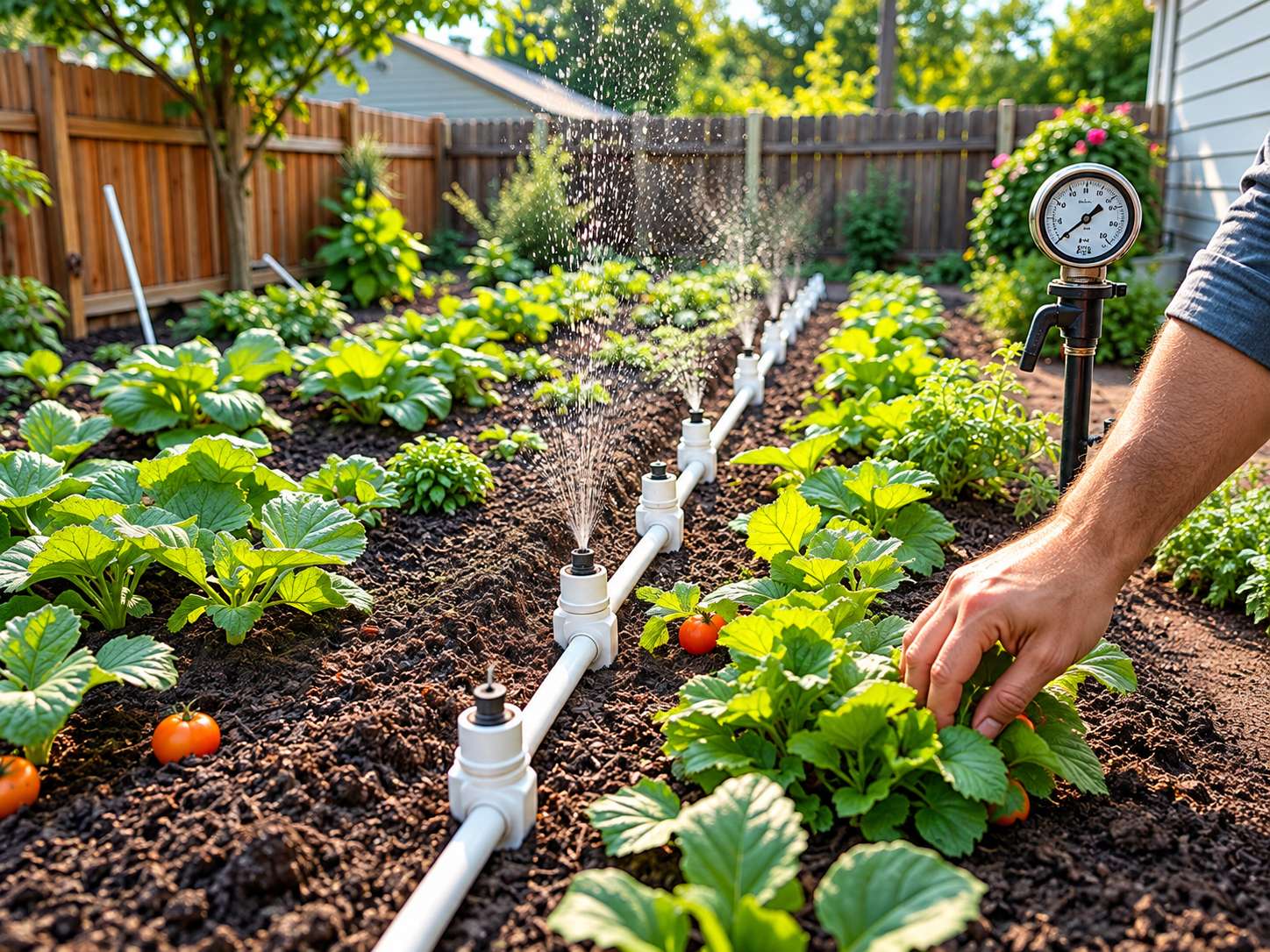
There is no single watering schedule that works for every garden. Water when the root zone is becoming dry, then apply enough moisture for the crop and soil type while accounting for rainfall, temperature, wind, mulch, container size, and plant stage.
TL;DR
Key takeaways
- Check soil moisture below the surface instead of watering only by the calendar.
- New seeds, transplants, containers, and sandy soils usually need more frequent checks.
- Established garden plants generally benefit from water reaching deeper into the root zone.
- Mulch, organic matter, and drip irrigation can reduce evaporation and improve efficiency.
- Adjust immediately after heavy rain, extreme heat, strong wind, or local watering restrictions.
Why “Every X Days” Is Usually the Wrong Rule
A garden can dry quickly in hot, windy weather and remain moist for days during cool, cloudy conditions. Sandy soil drains faster than clay-rich soil, raised beds can dry faster than in-ground beds, and containers often change moisture status within a single day.
The University of Minnesota Extension’s vegetable-garden watering guide recommends checking soil conditions and notes that sandy soils may need more frequent irrigation than heavier soils. That is a better framework than treating a weekly number as a universal rule.
Your goal is consistent root-zone moisture without keeping the soil permanently saturated. If you do not yet know how the soil holds water, testing garden soil before planting can clarify texture, compaction, and chemistry before you build a routine.
Check the Soil Below the Surface
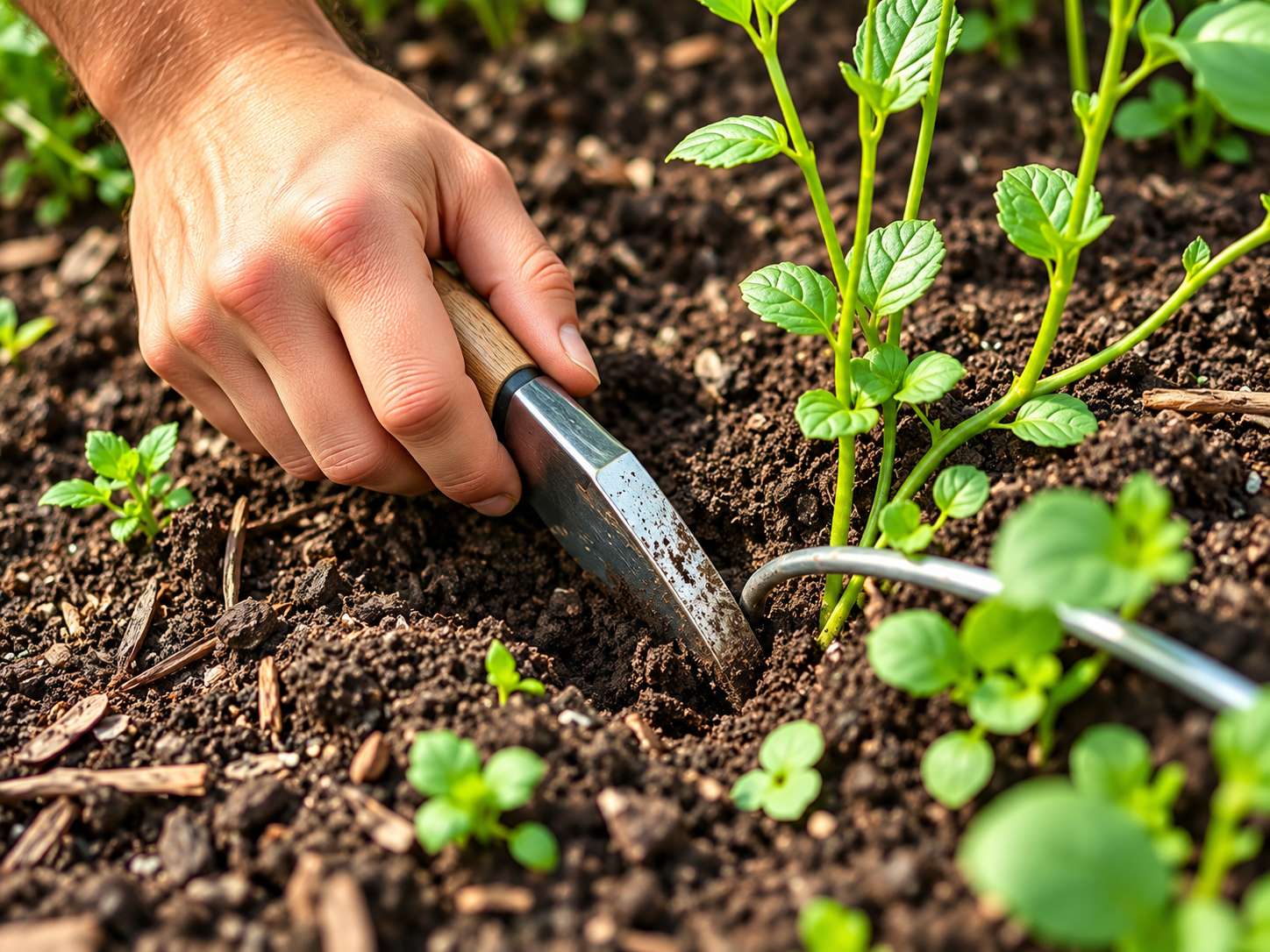
The top half-inch can look dry while the root zone remains moist. Push a finger, trowel, or soil probe below the surface in several places. For many established vegetables, moisture a couple of inches down is more useful than judging surface color.
If the soil below the surface feels cool and moist, wait and check again later. If it is dry and crumbly at root depth, watering is more likely to be appropriate.
Do not check only one edge of the bed. Drip emitters, shade, slopes, and plant density can create wet and dry zones within a few feet.
Seeds and New Transplants Need Closer Attention
Germinating seeds occupy a shallow layer of soil, so that layer must remain consistently moist enough for emergence. A deep watering followed by several dry surface days can be unsuitable for freshly sown rows even if mature plants nearby are fine.
New transplants also have limited root systems. Water the root ball and surrounding soil during establishment, then gradually shift toward deeper, less frequent irrigation as roots expand.
Use a gentle watering method around seeds so you do not wash them out, bury them, or create a crusted surface.
Established Vegetables Need Water at the Root Zone
Once crops are established, shallow daily sprinkling can encourage roots to stay near the surface and may waste water. Apply water slowly enough to infiltrate, then check how deep moisture has moved.
The amount required depends on soil and crop. Heavy clay may need slower application; sandy soil may need smaller, more frequent sessions because water moves through quickly. Raised beds filled with coarse mixes can behave more like containers than native ground.
For new gardeners, how to start a vegetable garden from scratch provides a broader setup sequence that connects irrigation with soil preparation and crop planning.
Use Rainfall as Part of Your Watering Plan
A short shower may wet leaves and the soil surface without reaching the root zone. A longer rain may eliminate irrigation for several days. Use a rain gauge or local measured rainfall data, then verify soil moisture rather than assuming every storm was sufficient.
Roof overhangs, dense plant canopies, and trees can also block rainfall from parts of a bed. Check those zones separately.
If local drought restrictions are in effect, follow required watering days and methods. Regulations vary by municipality and can change during the season.
Water Early When You Can
Morning is often a practical time because evaporation is lower than during hot midday conditions, and wet foliage can dry as temperatures rise. However, a severely wilted plant should not be left stressed for many hours simply to wait for an ideal clock time.
Direct water toward the soil rather than routinely spraying foliage. Drip lines, soaker hoses, and watering wands can deliver water near roots with less overspray.
A well-designed drip system can be especially useful for rows and beds, but emitters still need inspection for clogs, leaks, and uneven flow.
Mulch Changes How Often You Need to Water
Organic mulch reduces evaporation from the soil surface and can slow weed growth. That means a mulched bed may stay moist longer than bare soil, especially after plants develop a canopy.
Check under the mulch before watering. A dry mulch surface does not necessarily mean the soil below is dry. Keep mulch away from direct contact with stems where persistent moisture could encourage problems.
Compost and other organic matter can also improve the water-holding behavior of many soils over time, but they do not remove the need to monitor moisture.
Containers Need Their Own Schedule
Pots and grow bags dry faster because the root volume is limited and the container is exposed to air on several sides. Small pots, dark containers in full sun, and windy balconies can dry particularly quickly.
Check containers daily during hot weather, but water only when the plant and potting mix indicate need. Make sure excess water can drain. A saucer that holds water continuously can leave roots saturated.
Group containers with similar needs when possible so one watering routine does not overwater some plants and underwater others.
Learn the Critical Growth Stages
Vegetables can be especially sensitive to moisture stress during flowering, fruit set, and development of edible roots or fruits. Irregular moisture can also contribute to quality problems in some crops.
Rather than memorizing a separate rule for every vegetable, pay closer attention whenever a plant is actively flowering, setting fruit, or rapidly enlarging the harvested portion. Keep moisture more consistent during those periods.
Avoid the Most Common Watering Mistakes
The first is watering by sight from a distance. Wilt can indicate drought, but it can also occur in hot afternoons even when soil is moist, or when roots are damaged. Check the soil before reacting.
The second is watering too fast. If water runs into paths or off a slope, slow the rate or use shorter cycles with soaking time between them. The third is ignoring drainage. A plant in saturated soil can wilt because damaged roots cannot function normally.
If water routinely pools, address the underlying drainage issue rather than simply reducing irrigation without investigating the cause.
What About Rain Barrels?
Rain barrels can reduce potable-water use by capturing roof runoff for later landscape irrigation. The EPA’s rain-barrel guidance notes that roof runoff can pick up pollutants, so use on edible crops requires extra consideration based on roofing materials, local guidance, and how the water is applied.
Check local rules before installing a collection system, and use screening and overflow management to reduce mosquito and drainage problems.
Build a Moisture-Checking Habit
The most reliable answer to “How often?” is: as often as your garden’s root zone, weather, and plant stage require. Check the soil at consistent locations, note how long beds take to dry after rain or irrigation, and adjust rather than following a fixed calendar all season.
Home and garden information is educational and general. Water needs, irrigation rules, rainwater-harvesting requirements, climate, and soil conditions vary by location; consult local extension and water-utility guidance for site-specific recommendations.


