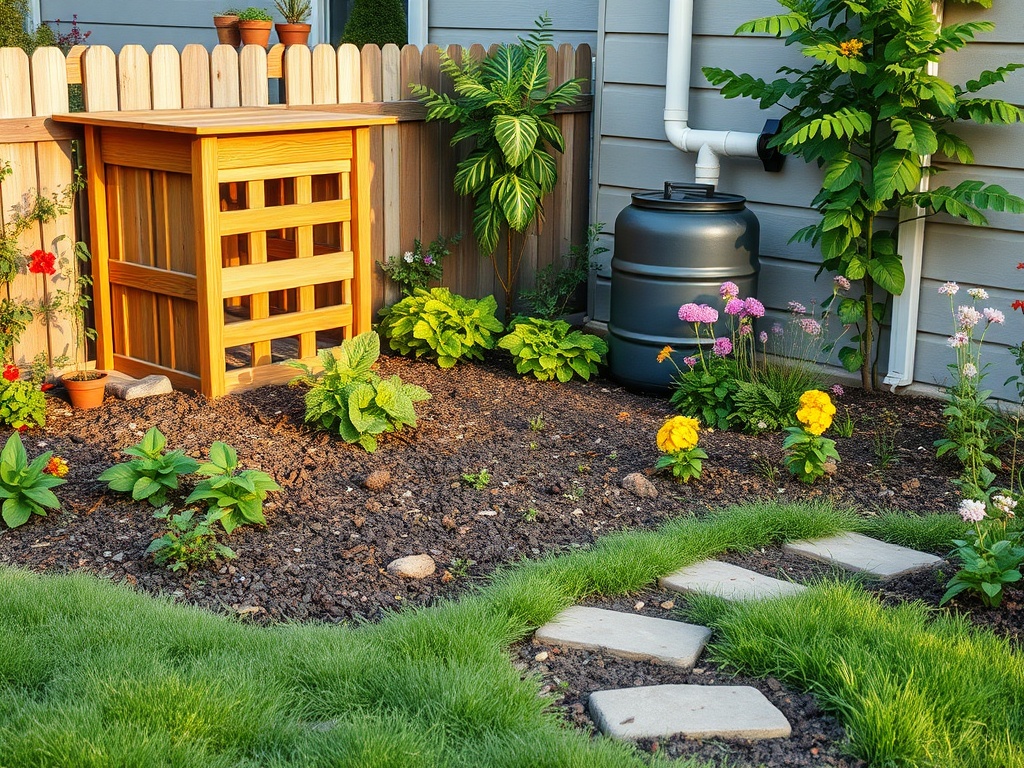
A more sustainable home garden uses fewer unnecessary inputs while building healthier soil, conserving water, supporting locally appropriate plants, and keeping organic material on site when practical. The best changes are usually incremental: improve one system at a time and measure whether it actually reduces waste or maintenance.
TL;DR
Key takeaways
- Build soil with finished compost and keep bare ground covered when appropriate.
- Choose plants suited to local climate and site conditions, including natives where they fit.
- Capture or slow rainwater and irrigate only when plants need it.
- Reduce routine pesticide and fertilizer use through integrated pest management and soil testing.
- Reuse materials and plant debris safely instead of replacing everything each season.
Start With Soil Because It Affects Everything Else
Healthy soil supports roots, holds water, cycles nutrients, and can reduce the need for frequent intervention. Before buying more fertilizer, test the soil and understand whether the garden actually lacks nutrients.
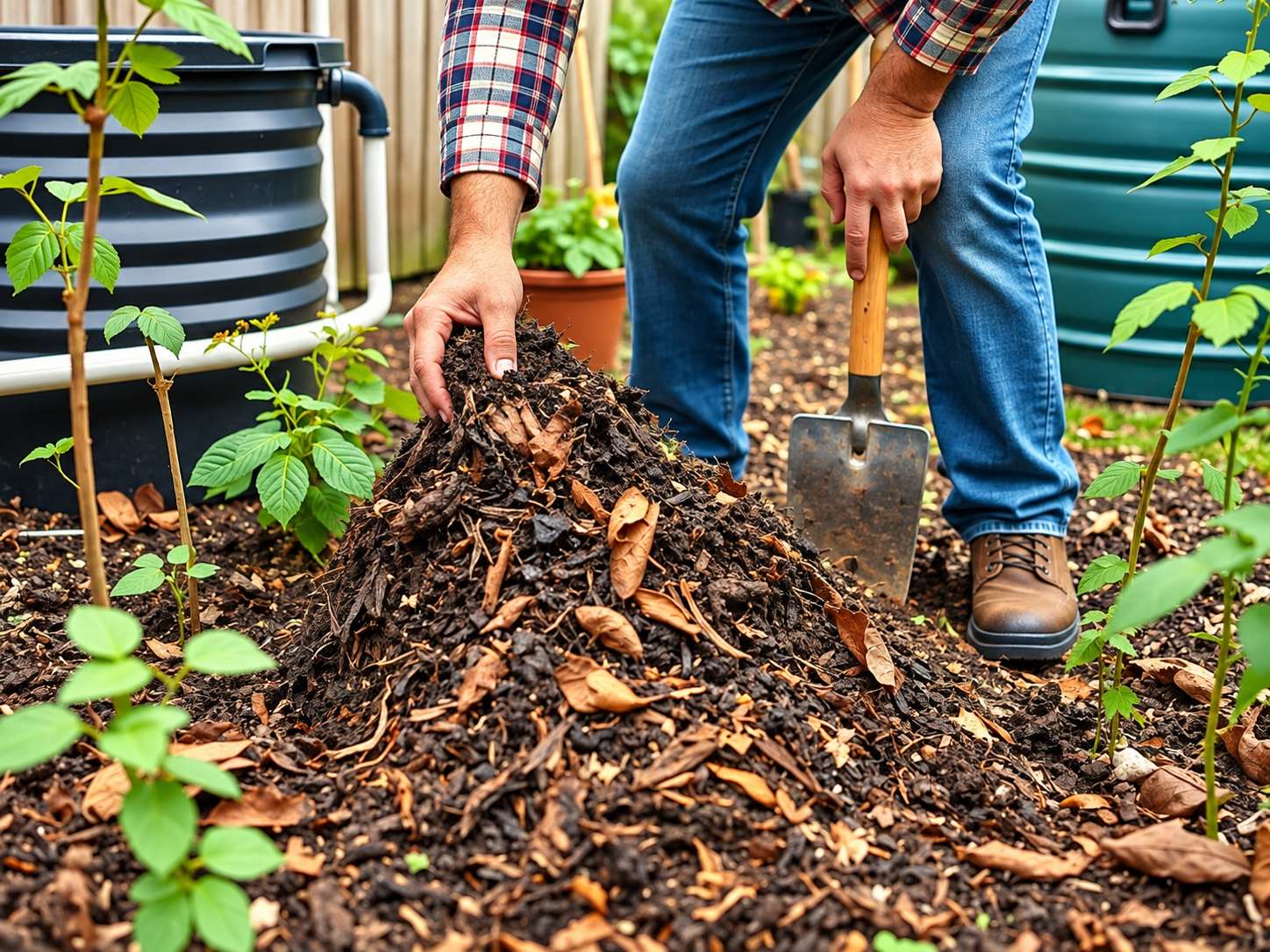
Finished compost is one practical input. The EPA’s home-composting guidance explains that compost can add organic matter, improve soil structure, and help soil retain moisture. Use mature compost appropriately rather than assuming every bed needs a thick layer every year.
Keep soil covered with plants or mulch when suitable. Bare soil is more exposed to erosion, crusting, and moisture loss.
Compost What Makes Sense at Home
Yard trimmings, leaves, and many food scraps can be composted instead of sent to disposal, depending on local rules and your available space. A balanced pile needs both carbon-rich and nitrogen-rich materials, adequate moisture, and enough aeration to decompose without becoming a wet, compacted mass.
Avoid adding materials that attract pests, spread disease, or are prohibited by local composting guidance. Diseased plant material, invasive weeds with viable seeds, meat, fats, and pet waste may require other disposal methods in a basic home system.
Use finished compost rather than partially decomposed material around sensitive seedlings. If food production is part of the plan, starting a vegetable garden from scratch shows where soil preparation fits into the wider setup.
Choose Plants That Fit the Site
Sustainability is not just about choosing a label such as “native” or “drought-tolerant.” A plant must fit the actual sun, soil, drainage, temperature range, and mature space available.
Regionally native plants can support local ecological relationships and may need less supplemental water once established when placed correctly. The EPA WaterSense landscaping guidance recommends regionally appropriate, low-water, and native plants while emphasizing site conditions and hydrozones.
Use a local native-plant database or cooperative extension list rather than a national generic list. A species native to one part of the country may be poorly suited or invasive elsewhere.
Water Based on Need
Water conservation begins by checking soil and weather instead of watering automatically. Drip irrigation and soaker hoses can direct water to root zones, but they still need maintenance and correct scheduling.
Group plants with similar water needs so one irrigation zone does not overwater drought-tolerant plants while trying to satisfy thirstier ones. Adjust watering as plants establish; many newly planted natives still need supplemental water during the first seasons.
If water use is a major concern, the principles in growing a healthier lawn without wasting water also apply to the lawn portions you decide to keep.
Slow Rain Before It Leaves the Property
Downspouts, driveways, and compacted soil can send stormwater rapidly toward streets and drains. Where site conditions permit, redirecting runoff to vegetated areas, rain gardens, or permeable surfaces can help water infiltrate.
The EPA’s yard guidance recommends practices such as rain gardens, rain barrels, pervious paving, compost, and mulch to reduce runoff and manage nutrients.
Do not redirect water toward foundations, neighboring property, septic systems, or unstable slopes. Drainage changes can have legal and structural consequences, so complicated sites deserve professional review.
Reduce Lawn Where It Does Not Serve a Purpose
A lawn can be useful for play, pets, or gathering. Sustainable design focuses on right-sizing it rather than declaring turf inherently bad.
Convert hard-to-mow slopes, deep shade, narrow strips, or isolated corners to regionally suitable groundcovers, shrubs, meadow-style plantings, or mulched beds. Choose alternatives based on how the area is actually used.
For a broader transition plan, designing a low-maintenance front yard can help compare turf reduction with planting, hardscape, and maintenance goals.
Use Fertilizer More Precisely
Fertilizer should correct a documented need or support a crop requirement, not serve as a routine “boost.” Soil testing can prevent unnecessary phosphorus, potassium, or lime applications.
Apply only the recommended amount and keep fertilizer off hard surfaces where it can wash into storm drains. Sweep granules back onto the lawn or bed rather than hosing them away.
Slow-release or organic nutrient sources can be useful in some settings, but “natural” does not mean automatically sustainable. Manufacturing, transport, nutrient concentration, and runoff risk all matter.
Use Integrated Pest Management
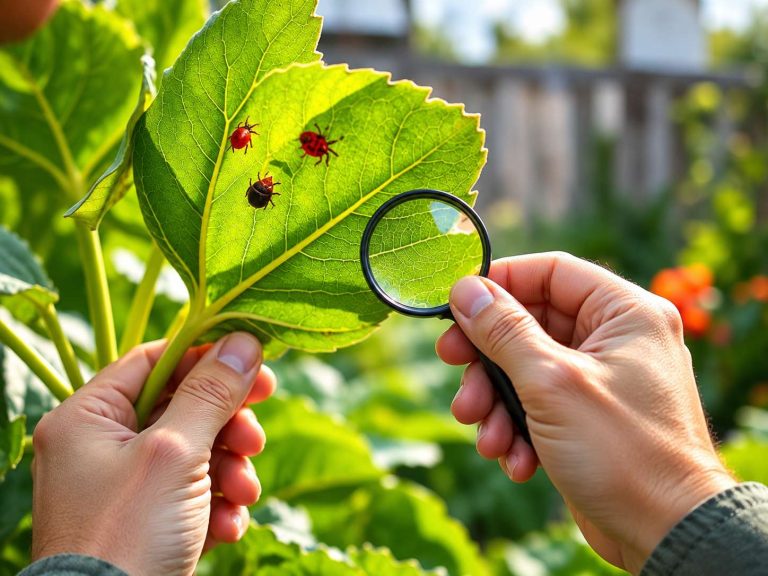
Inspect plants regularly, identify the pest or disease accurately, and use cultural or physical controls before reaching for broad-spectrum treatment. Healthy plants in suitable conditions are generally better able to tolerate modest pest pressure.
Encourage beneficial insects by providing diverse flowering plants and avoiding unnecessary pesticide applications. If treatment is required, use the least disruptive effective option that is legally labeled for the target site and pest.
Reuse Materials With Care
Clean pots can be reused for years. Pruned branches can sometimes be chipped for pathways or mulch, and fallen leaves can be shredded for beds or compost. Reclaimed bricks, pavers, and untreated lumber may also have second lives in garden projects.
However, do not reuse materials blindly. Pressure-treated wood of uncertain age, painted debris, contaminated soil, diseased plants, or invasive plant material can create health or garden problems. Know the material before bringing it into food-growing areas.
Design for Long-Term Maintenance
A sustainable garden should not require constant replacement. Choose durable edging only where needed, leave enough space for plants to reach mature size, and make paths wide enough for the tools you use.
Plant in layers that cover soil over time but avoid overcrowding. Keep access to hose connections, utility meters, gates, and compost areas so maintenance remains practical.
Make One Change You Can Keep
A sustainable garden is built through repeatable choices, not a one-time renovation. Start with the system that wastes the most resources in your yard: irrigation, bare soil, unnecessary lawn, disposable materials, or routine chemical inputs. Improve that system, observe the result, and then move to the next.
Home and garden information is educational and general. Water rules, composting requirements, pesticide laws, drainage codes, plant suitability, and soil conditions vary by location; consult local extension, utility, environmental, or licensed professional guidance when needed.