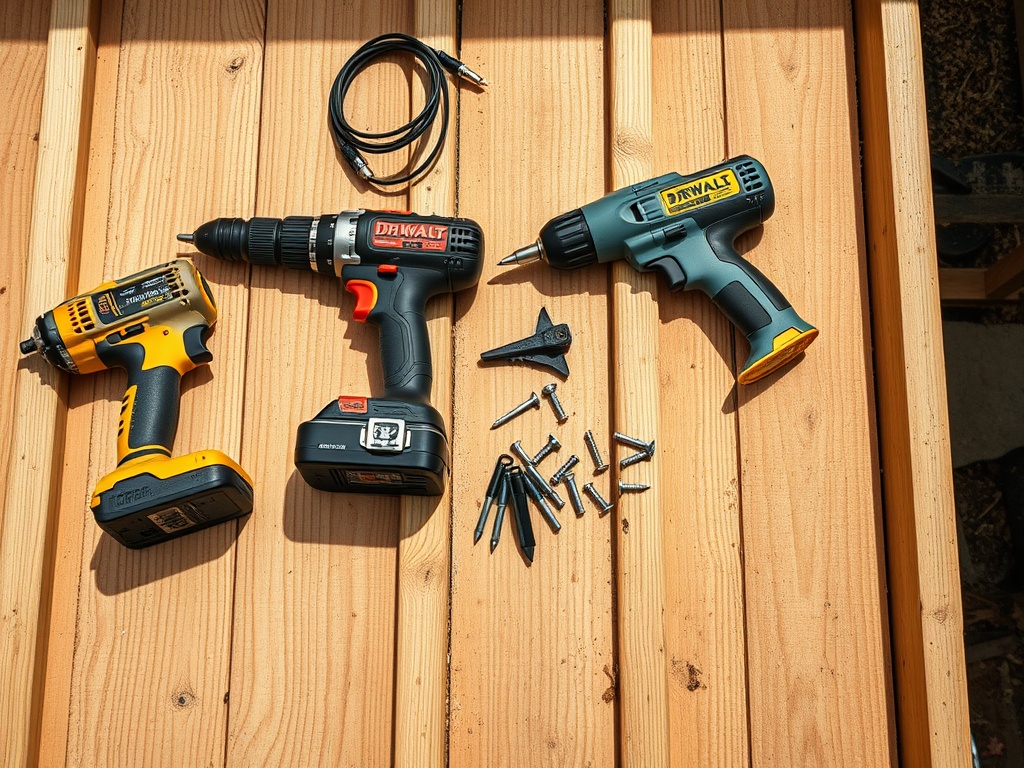
The right fastener tool depends on the base material, fastener type, load path, access, production volume, safety requirements, and finish expectations. A tool is not right because it is powerful; it is right because it installs the specified fastener correctly and safely.
Key takeaways:
- Match the tool to the fastener, then match the fastener to the material and load requirement.
- Wood, steel, and concrete each need different drilling, driving, anchoring, and safety practices.
- Check manufacturer instructions, project specifications, and applicable safety rules before use.
- For critical connections, follow the design documents and get professional review rather than improvising.
Start With the Connection
Before choosing a tool, define the connection. Are you attaching trim, framing, decking, hangers, clips, pipe supports, track, electrical boxes, brackets, facade accessories, or temporary protection? Is the fastener structural, nonstructural, removable, corrosion-resistant, fire-rated, exposed, concealed, or part of a tested assembly? Those answers matter more than brand preference.
OSHA’s tools and power tools standards for construction and its nail gun safety resources are useful reminders that power tools bring real hazards. Regulations and safe-work practices may differ by jurisdiction, tool type, and employer program, so crews should follow applicable rules and manufacturer instructions.
Wood: Speed Still Needs Control
Wood fastening often uses drills, impact drivers, screw guns, framing nailers, finish nailers, staplers, and specialty hangers or connectors. For light-duty work, the main concerns are splitting, overdriving, pull-through, alignment, and finish damage. For framing and connectors, fastener type, length, diameter, spacing, corrosion resistance, and approved installation method matter.
Avoid substituting screws for nails or nails for screws in engineered connectors unless the connector manufacturer and design documents allow it. The wrong substitution can change capacity. Also match bits and drivers to the fastener head to reduce cam-out and damaged coatings.
Steel: Thickness and Access Drive the Choice
Steel fastening may involve self-drilling screws, impact tools, screw guns with adjustable clutch, magnetic drills, rivet tools, weld studs, or powder-actuated tools in certain applications. Light-gauge framing has different needs than structural steel or metal deck. Tool speed, torque control, drill point type, corrosion compatibility, and edge distance all affect results.
Overdriving self-drilling screws can strip threads or crush materials. Underdriving can leave poor seating. In repeated production, adjustable clutch settings and test installations help maintain consistency. For work that will be inspected, crews should document fastener type, spacing, substrate thickness, and any rejected conditions.
Concrete and Masonry: Base Material Rules the Method
Concrete and masonry fastening may require hammer drills, rotary hammers, core drills, adhesive anchor systems, screw anchors, expansion anchors, drop-in anchors, cast-in inserts, or powder-actuated fastening. The base material may be cracked concrete, uncracked concrete, hollow block, brick, stone, lightweight concrete, or deteriorated substrate. Each behaves differently.
| Base Material | Common Tool Category | Key Risk to Control |
|---|---|---|
| Wood framing | Drill, impact driver, nailer | Splitting, overdriving, wrong fastener substitution |
| Light-gauge steel | Screw gun, impact driver, self-drilling fasteners | Stripped threads, poor seating, wrong drill point |
| Structural steel | Magnetic drill, impact wrench, specialty tools | Hole alignment, torque, coating damage, access |
| Concrete | Rotary hammer, anchor-setting tools, powder-actuated tools | Dust, embedment, edge distance, unsuitable base material |
| Masonry | Hammer drill, masonry anchors | Hollow cells, cracking, weak substrate, moisture exposure |
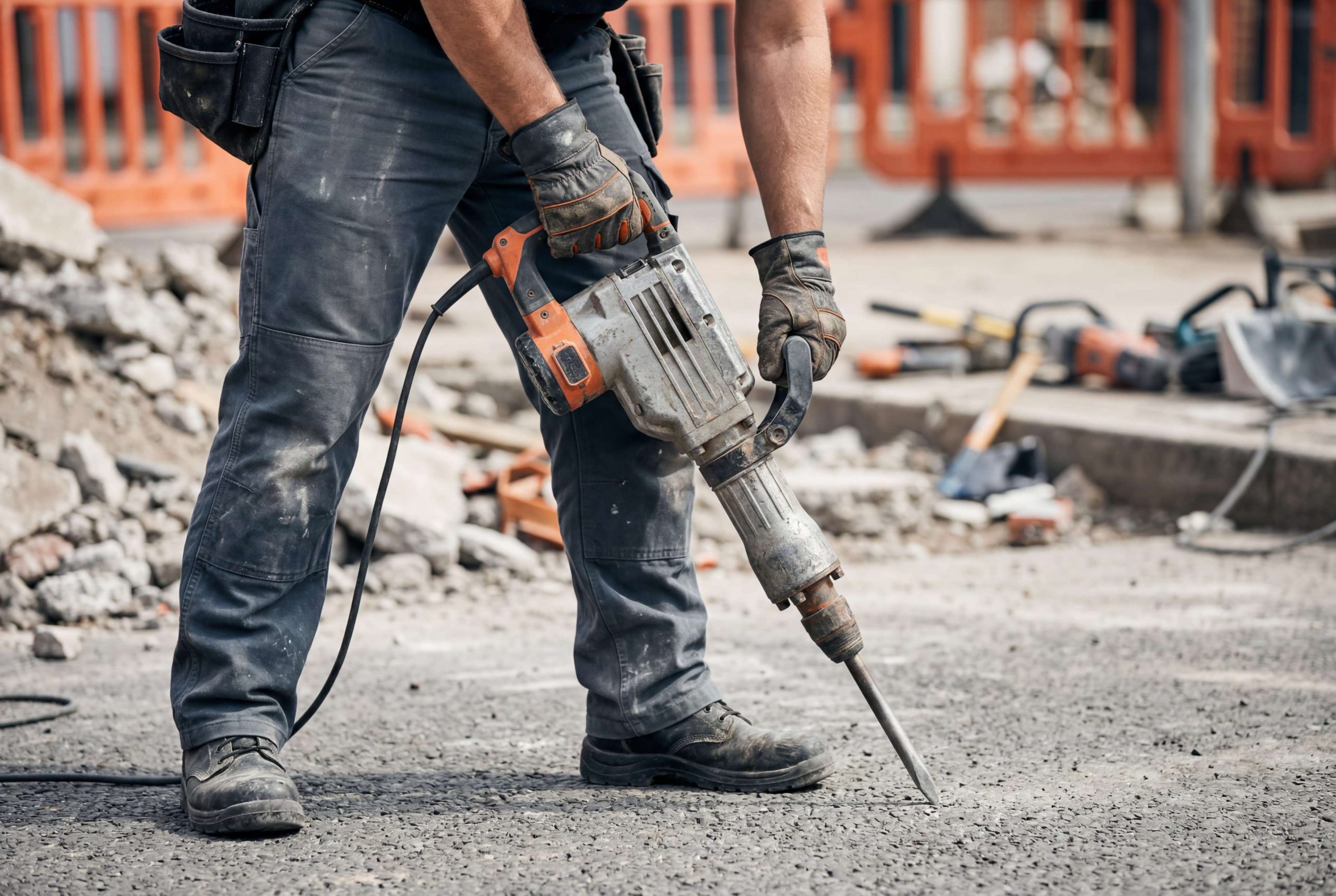
Powder-Actuated and High-Energy Tools Need Extra Caution
Powder-actuated tools can be efficient, but they are not general-purpose shortcuts. The eCFR section for 29 CFR 1926.302 power-operated hand tools includes requirements related to power tools and powder-actuated tools. Crews should confirm training, tool condition, base material suitability, fastener selection, shielding, misfire procedures, and restricted access around the work.
These tools are often inappropriate near brittle materials, unknown substrates, flammable atmospheres, occupied areas without controls, or locations where embedment and edge distances cannot be verified. When in doubt, stop and request review.
Productivity Is Not Just Tool Speed
A faster tool can be slower overall if it causes rework, damaged finishes, stripped fasteners, noise complaints, dust problems, or inspection failures. Productivity improves when crews standardize bits, batteries, chargers, anchors, layout methods, and quality checks. In occupied buildings, tool noise, dust, vibration, and access windows can determine the best method. That connects tool choice to the practical planning needed for occupied renovations.
Maintenance also matters. Dull bits, worn drivers, weak batteries, dirty nailers, damaged cords, and missing guards lead to poor installations and safety issues. Crews should inspect tools before use and remove damaged equipment from service.
Quality Checks After Installation
Fastener work should be checked before it is hidden. Look for correct type, spacing, embedment, seating, corrosion compatibility, washer placement, damaged coatings, cracked base material, and alignment. For repeated work, first-piece inspections can prevent hundreds of bad installations.
The quality concepts in construction QA vs QC are directly applicable: the process should prevent errors, and inspections should verify the installed work. If a bad installation creates a near miss, the reporting practices in incident reporting after a near miss or injury should feed back into training and tool selection.
Buy the Tool Around the Fastener, Not the Label
A beginner-friendly purchasing rule is to start with the specified fastener and material, then choose the tool that installs it to the required depth, torque, spacing, and finish quality. For professional or critical work, use the project documents, manufacturer instructions, and qualified supervision.
The best tool is the one that helps crews install the right fastener safely, repeatably, and with less rework. Power is only one part of that decision.
Beginner Buying Checklist
For beginners, a short buying checklist prevents expensive mistakes. Confirm the base material, fastener size, fastener material, expected load category, access, production quantity, noise limits, dust controls, and whether the connection will be inspected. Then check whether the tool needs special bits, anchors, cartridges, chargers, hoses, guards, training, or maintenance parts. A cheaper tool can become more expensive if it requires slow workarounds or damages fasteners. A more powerful tool can become risky if it overwhelms the material or the operator. Buy for the task, not for the most dramatic specification on the box.
When to Stop and Ask
Stop before fastening if the substrate is cracked, hollow, wet, corroded, unknown, too close to an edge, or different from the drawings. Also stop if the specified fastener is unavailable and someone suggests a substitute. Substitutions may be acceptable, but they should be reviewed before installation, not defended afterward.
This article is for educational use only and is not professional engineering, safety, legal, code, compliance, or project management advice. Follow project specifications, manufacturer instructions, and applicable regulations for tool and fastener use.