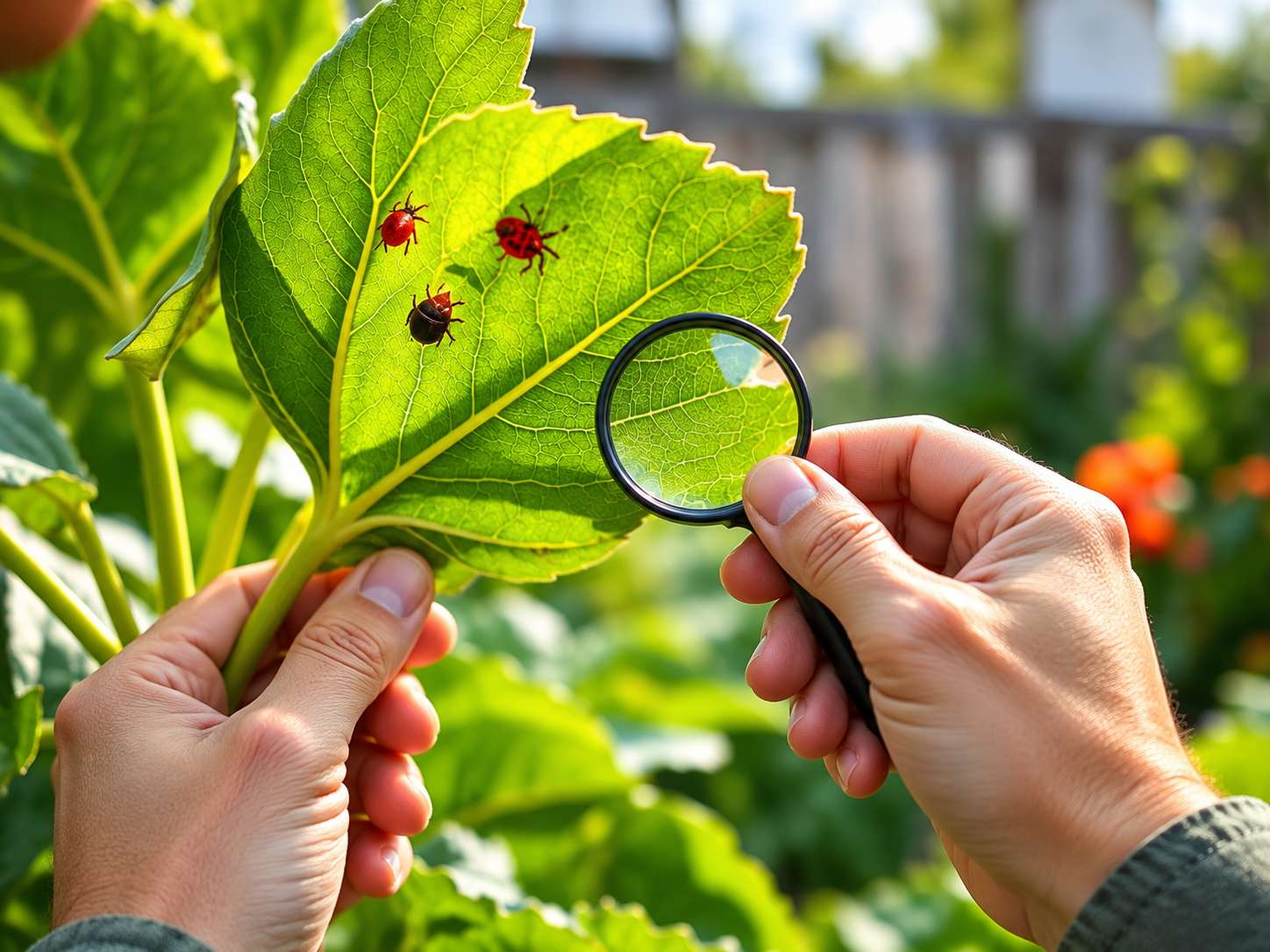
The fastest way to stop a garden pest problem is not to spray first; it is to identify what is causing the damage. Inspect the affected plant, look for insects and signs on both sides of leaves and near stems or soil, compare the damage pattern with reliable references, and treat only when the organism and level of risk justify action.
TL;DR
Key takeaways
- Inspect plants regularly so small changes are noticed early.
- Identify the plant first, then match symptoms with possible pests, diseases, and environmental problems.
- Look for eggs, larvae, adults, webbing, frass, honeydew, holes, mines, distorted growth, or root damage.
- Protect beneficial insects by avoiding broad treatment before identification.
- Use integrated pest management: prevention and physical controls first, then targeted pesticides only when needed and legally labeled.
Begin With the Plant, Not the Bug
Correct pest identification starts with knowing the host plant. Many insects feed on a limited range of plants, and some symptoms that look like insect feeding are actually caused by disease, nutrient imbalance, drought, sunscald, or mechanical injury.
The UC Statewide IPM program organizes garden diagnosis by host plant and pest type, which is a useful model for home gardeners. Write down the plant species or cultivar if known, which part is damaged, and when the problem first appeared.
Then compare affected and unaffected plants. If every plant in one hot, dry corner has similar leaf scorch but there are no insects or feeding signs, the environment may be a stronger clue than pests. The basic site choices in starting a vegetable garden from scratch can help explain why light, drainage, and spacing belong in the diagnosis.
Inspect the Undersides of Leaves
Many small pests stay out of obvious view. Turn leaves over and check along veins, new growth, buds, stems, and leaf joints. A hand lens can help reveal mites, tiny eggs, scale covers, or small larvae.
Look for clusters rather than one isolated insect. A single beetle on a leaf may simply be passing through, while repeated feeding damage plus several life stages is stronger evidence of a problem.
If you find an unfamiliar insect, photograph it from several angles with a size reference. Clear photos can make extension or online identification tools much more useful.
Learn the Main Damage Patterns
Chewed holes or missing leaf edges often point toward chewing insects or slugs, but the shape matters. Smooth semicircular cuts, skeletonized leaves, ragged holes, and entire missing seedlings can have different causes.
Stippling—many tiny pale dots—can be associated with sap-feeding pests such as mites or leafhoppers. Sticky honeydew may suggest aphids, scales, or whiteflies, sometimes followed by dark sooty mold growing on the sugary residue.
Serpentine trails within leaves are typical of leaf miners. Rolled or distorted new growth can result from insects, mites, herbicide injury, viruses, or other stress, so it needs closer diagnosis.
Check for Caterpillars and Larvae
Caterpillars may hide along stems or leaf undersides during the day. Look for fresh chewing, droppings known as frass, silk, or rolled leaves.
Do not assume every caterpillar is harmful enough to remove. Some become native butterflies or moths and may be using a host plant as expected. The decision depends on plant damage, pest identity, garden goals, and population size.
If a vegetable crop is being significantly defoliated, hand-picking may be enough in a small garden. Larger outbreaks may require a targeted control after identification.
Recognize Common Sap Feeders
Aphids are small, soft-bodied insects that often cluster on tender growth. Whiteflies may flutter when foliage is disturbed. Scale insects can look like small bumps attached to stems or leaves. Spider mites are tiny and may be noticed first through fine webbing and stippled leaves.
These groups are not managed identically. Washing some soft-bodied pests from sturdy plants can reduce numbers, while scale insects may require timing control around vulnerable life stages. Correct identification matters before choosing a product.
Record the plant, affected part, timing, and visible signs so you can compare symptoms systematically instead of treating from memory.

Look at the Soil and Roots When Top Growth Does Not Explain It
Wilting, stunting, or sudden collapse may originate below ground. Carefully dig around one affected plant and inspect roots for rot, chewing, abnormal swellings, or insects in the soil.
Also check moisture. Overwatered roots can produce symptoms that resemble drought because damaged roots cannot move water effectively. Before treating a “pest,” confirm that drainage and watering are reasonable, and use garden soil testing before planting when nutrient or pH problems may be contributing.
Cutworms, root-feeding larvae, and some beetles may be found in the soil near damaged plants, but root diseases and abiotic problems can produce similar decline.
Distinguish Pests From Beneficial Insects
Lady beetles, lacewings, parasitic wasps, predatory bugs, spiders, and many other organisms help suppress pests. Their immature stages may look unfamiliar or even threatening.
The UC IPM overview of integrated pest management recommends identifying pests correctly and using prevention, physical methods, and natural enemies as part of a lower-risk approach.
Before removing an unknown insect, check a trusted identification resource. Preserving beneficial species can reduce future pest pressure and prevent unnecessary pesticide use.
Use Traps as Monitoring Tools, Not Automatic Solutions
Sticky cards can reveal flying pests such as whiteflies and fungus gnats, while pheromone traps can be useful for specific insects. Their value is often greatest for detecting presence and timing rather than eliminating an outdoor population.
Place and interpret traps according to the target pest. A trap that catches many unrelated insects may create confusion or harm beneficial species.
Decide Whether Control Is Actually Needed
A healthy garden can tolerate some insect feeding. A few holes rarely justify broad treatment. Consider whether damage is increasing, whether the plant is still growing normally, and whether the pest is likely to threaten a crop or spread to nearby plants.
Integrated pest management uses thresholds and context rather than aiming for a completely insect-free garden. For home gardeners, that may mean accepting cosmetic damage while protecting yield or plant health.
Start With the Least Disruptive Effective Method
Physical controls can include hand-picking, pruning heavily infested material, washing pests from leaves, row covers, barriers, traps, or sanitation. Cultural controls include crop rotation, appropriate irrigation, resistant varieties, and removal of infested debris.
If a pesticide is needed, choose one labeled for the exact site, crop, and pest, then follow the label. “Organic” does not automatically mean harmless to people, pets, pollinators, or aquatic life.
Product choice should come after diagnosis, not before it, regardless of whether a product is marketed as conventional or organic.
Prevent Spread While You Diagnose
Remove severely infested leaves when appropriate and dispose of them according to local recommendations. Clean pruners between suspect plants when disease transmission is a concern. Avoid moving infested pots, soil, or plant debris around the garden.
When buying new plants, inspect leaf undersides, stems, and soil before bringing them into established beds. Early detection is much easier than managing a pest after it has spread across multiple hosts.
Make Weekly Inspection Part of Garden Care
Spend a few minutes each week checking new growth, undersides of leaves, and plants that have had problems before. Note changes in a simple garden log. The goal is not to find every insect but to recognize unusual patterns early enough to identify them confidently.
Home and garden information is educational and general. Pest identification, pesticide legality, approved uses, and treatment timing vary by crop and jurisdiction; consult local cooperative extension resources and follow product labels exactly when pesticides are used.


