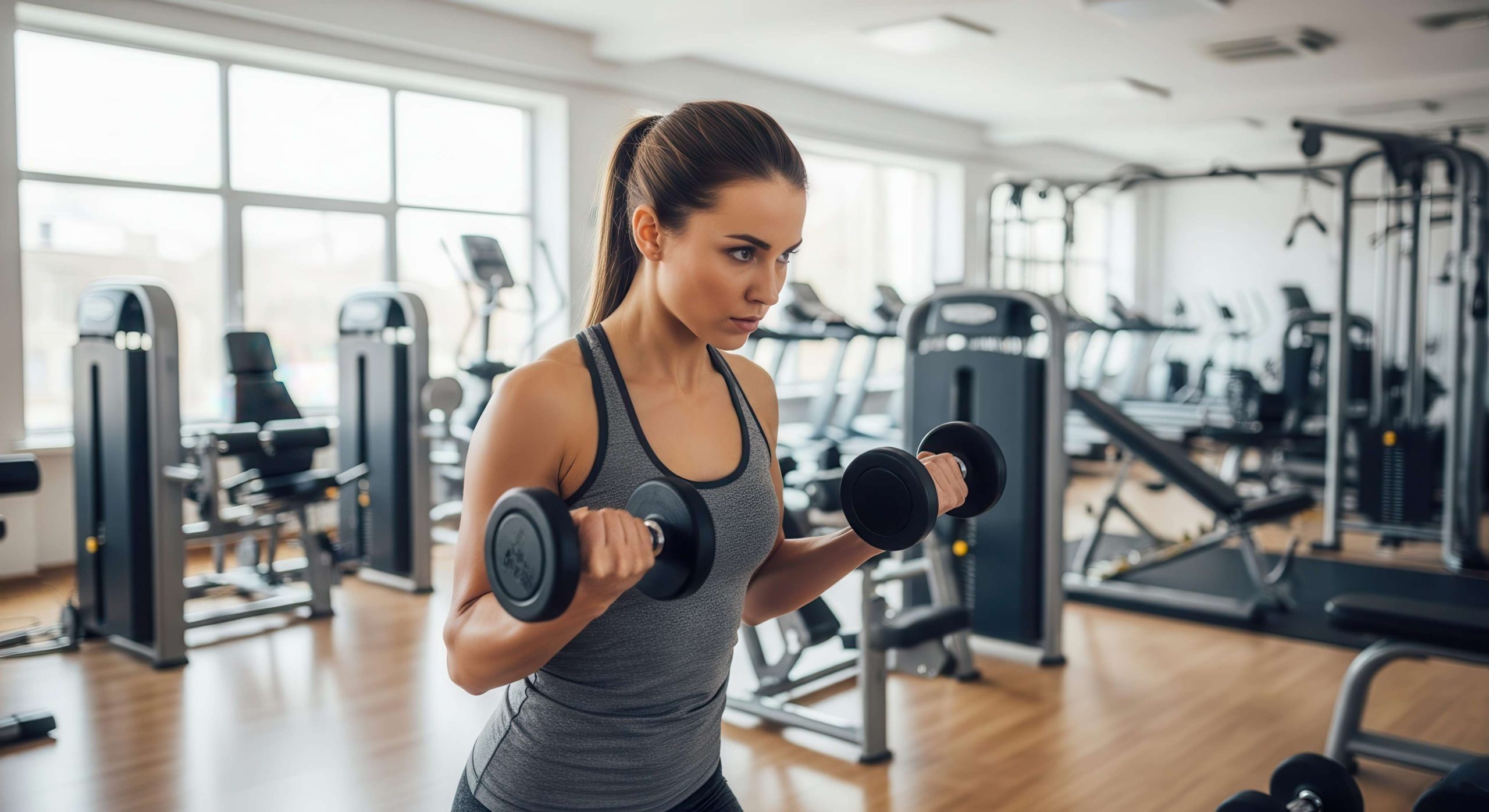
Strength Training for Women is best understood through women benefit from strength training without myths or one-size-fits-all rules. This guide gives a practical, health-conscious way to use the idea without turning general fitness guidance into unrealistic promises.
TL;DR: Strength training helps women build practical strength, confidence, and healthy aging capacity. The basics are the same for most adults, but life stage, symptoms, goals, and comfort matter.
The Basics Are Not Gendered, But Context Matters
Women do not need a completely separate training universe. Squats, hinges, pushes, pulls, carries, and core stability work are useful movement patterns for many bodies. What may differ is the starting point, confidence level, symptoms, equipment access, pregnancy or postpartum status, menopause, injuries, and goals.
The established guidance for adults still includes aerobic and muscle-strengthening activity, as outlined by the CDC adult activity recommendations. The interpretation is how a woman chooses exercises, loads, and recovery based on her life and health context.
Why Strength Training Is Worth Learning
Strength training can support daily tasks, bone-loading stimulus, posture awareness, and independence over time. It may also help improve gym confidence because progress is measurable: more controlled reps, slightly heavier loads, steadier form, or better tolerance for routine tasks.
This article avoids promising a specific body shape or timeline. Muscle gain, fat loss, strength, and energy vary by training history, nutrition, sleep, hormones, medical conditions, and consistency. Understanding macros for beginners can support training, but nutrition should not become a source of shame.
A Simple Two-Day Structure
A practical week can start with two full-body sessions. Day one: squat pattern, horizontal push, hip hinge, row, carry. Day two: split squat or step-up, overhead press variation, glute bridge, pulldown or band row, side plank. Use loads that allow smooth reps and stop before form breaks down.
Beginners who feel uncertain can first review how to start strength training without feeling overwhelmed so the program feels manageable instead of like a test.
Special Considerations Without Stereotypes
Menstrual cycle symptoms, pelvic floor concerns, pregnancy, postpartum recovery, perimenopause, menopause, anemia, and chronic conditions may affect training decisions for some women. These topics should be handled with care, not assumptions. If symptoms are significant, a clinician, pelvic floor physical therapist, or qualified professional can help tailor activity.
Strength training should not be framed as a way to earn food, shrink the body at all costs, or fit a narrow look. A better frame is capacity: lifting groceries, climbing stairs, carrying children, staying active with age, or feeling more capable in daily life.
Mistakes That Slow Progress
The first mistake is using weights so light that every set feels like a warm-up forever. The second is jumping too heavy too soon because social media makes advanced lifting look normal. The third is skipping recovery and then blaming motivation.
Pair strength work with recovery habits and gradual progress. If pain, pressure, dizziness, unusual bleeding, chest symptoms, or new neurological symptoms appear, stop and seek appropriate care.
How to Personalize Without Overcomplicating
Personalization begins with comfort, symptoms, and goals. A woman training for bone health may prioritize progressive lower-body and upper-body strength. A new mother may need pelvic-floor-aware progressions. A busy professional may need two efficient full-body days. None of these requires a completely different fitness language.
Use feedback from the body without turning every sensation into fear. Muscle effort and mild soreness can be normal after a new stimulus. Sharp pain, pressure symptoms, dizziness, or unusual changes deserve attention. The difference between normal challenge and warning sign matters.
Progress should expand choices. You should feel more capable doing daily tasks, trying activities, or moving with confidence. If a plan only creates anxiety about appearance or food, it is not serving the broader purpose of health and fitness.
Choose exercises that fit the current season of life. The right plan during postpartum recovery, perimenopause, a stressful work period, or a return from injury may look different from the right plan during a calm training block.
That flexibility is a strength. It allows women to keep training through life changes without forcing one rigid template onto every body.
A final safeguard is to measure progress by capacity and confidence, not by comparison. A plan that helps a woman lift, move, and recover with more trust in her body is doing meaningful work. Track practical wins such as carrying heavier bags, completing controlled push-ups, or returning after a stressful week. Those markers are more respectful and useful than chasing a narrow body ideal.
Strength That Fits Real Women’s Lives
Choose one strength skill that supports daily confidence, such as a squat pattern, hinge, push, pull, or loaded carry. Practice it with a version that respects your current body, schedule, and recovery. Strength training for women works best when progress is built around capacity, not comparison.
This article offers general fitness education. Women who are pregnant, postpartum, returning after injury, managing pelvic-floor symptoms, or dealing with medical conditions should seek individualized guidance.