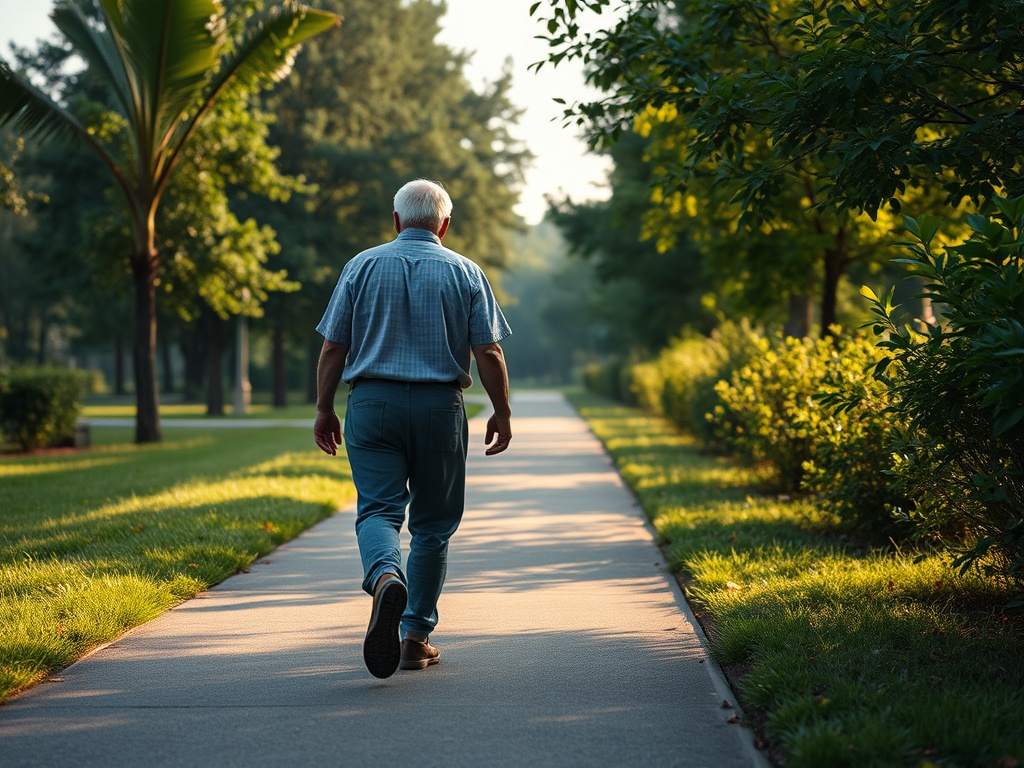
Fitness After 60 is best understood through healthy aging through endurance, strength, balance, flexibility. This guide gives a practical, health-conscious way to use the idea without turning general fitness guidance into unrealistic promises.
TL;DR: After 60, the most useful exercise mix usually includes aerobic activity, strength, balance, and mobility. The goal is independence, safety, and consistency rather than chasing the hardest workout.
The Four-Part Fitness Mix
Fitness after 60 should be built around capacity for daily life: walking, rising from chairs, climbing stairs, carrying items, reaching, and staying steady. The four categories that matter most are endurance, strength, balance, and flexibility or mobility.
The CDC says adults 65 and older need aerobic, muscle-strengthening, and balance activities each week, and the CDC older adult activity overview emphasizes that people benefit from activity throughout life. Individual plans should still reflect health conditions and medical advice.
Endurance for Everyday Stamina
Endurance work can be walking, cycling, swimming, dancing, or any activity that raises breathing while staying safe. Start with short bouts if needed. Ten minutes repeated several times a day can be a practical entry point for someone rebuilding activity.
For some readers, functional fitness for daily life is a useful companion topic because endurance alone does not cover lifting, carrying, balance, and getting up from the floor.
Strength for Independence
Strength training after 60 does not require heavy barbells. Sit-to-stands, wall push-ups, band rows, step-ups, hip hinges, and supported carries can all be scaled. The goal is to challenge muscles safely and progressively.
Recovery deserves more attention with age, especially after new or harder sessions. That makes recovery planning central rather than optional. Progress may mean better chair rises, steadier stairs, or less effort carrying bags.

Balance and Mobility Need Practice
Balance improves when it is practiced safely and regularly. Examples include heel-to-toe walking near a support, single-leg stands near a counter, gentle weight shifts, or tai chi-style movements. Flexibility and mobility work can support comfortable range of motion, but it should not be forced into pain.
The National Institute on Aging offers exercise resources for older adults, and its exercise and physical activity information can help readers think about movement as part of healthy aging rather than a short challenge.
Safety Checks Before Scaling Up
Older adults should consider medical guidance when they have heart disease, uncontrolled blood pressure, diabetes complications, osteoporosis with fracture risk, recent surgery, dizziness, falls, or unexplained symptoms. This is not about fear; it is about choosing the safest starting point.
Nutrition also supports training. Reviewing macros in plain English may help older adults understand protein, energy, and meal structure, especially when appetite changes.
A Practical Weekly Template After 60
A balanced week might include three walks, two strength sessions, short daily balance practice near support, and gentle mobility after warm showers or walks. The exact minutes can change, but the categories should appear regularly. That variety supports stamina, strength, steadiness, and comfortable movement.
Progress slowly. Add minutes to walks before adding speed. Add repetitions before adding load. Practice balance near a counter before removing support. These steps are conservative, but conservative progress is often what keeps older adults active long enough to benefit.
Include enjoyment and social connection when possible. Walking with a friend, joining a beginner class, or doing chair-based strength with a partner can make the routine easier to keep. Fitness after 60 should support life, not take it over.
Keep the home environment safe. Clear rugs, use stable chairs, keep good lighting, and place balance drills near a counter or wall. Small setup choices can reduce risk and make practice more relaxed.
Progress should support independence. If an exercise improves confidence with stairs, carrying groceries, or getting up from a chair, it is valuable even if it does not look dramatic.
A final safeguard is to keep the exercise area and plan simple enough to repeat when energy is low. Consistency after 60 often comes from removing obstacles, not from adding more complicated routines. Place equipment where it is easy to see, keep sessions short enough to start, and use supportive surfaces when balance is a concern. The safer the setup feels, the easier it is to practice regularly. Small wins can be recorded as confidence markers, such as fewer pauses on stairs or steadier balance during a daily task. These notes make progress visible without requiring hard sessions every day.
Keep Independence at the Center
Start with one exercise type that protects independence, then make it safe enough to repeat. For many older adults, that could be a sit-to-stand drill, a short walk, gentle balance work, or light resistance training. The right first step is the one that improves confidence without adding unnecessary risk.
This is general education for active aging, not a personal medical plan. Older adults with falls, dizziness, osteoporosis, heart concerns, joint pain, or medication-related symptoms should consult a qualified professional before progressing.