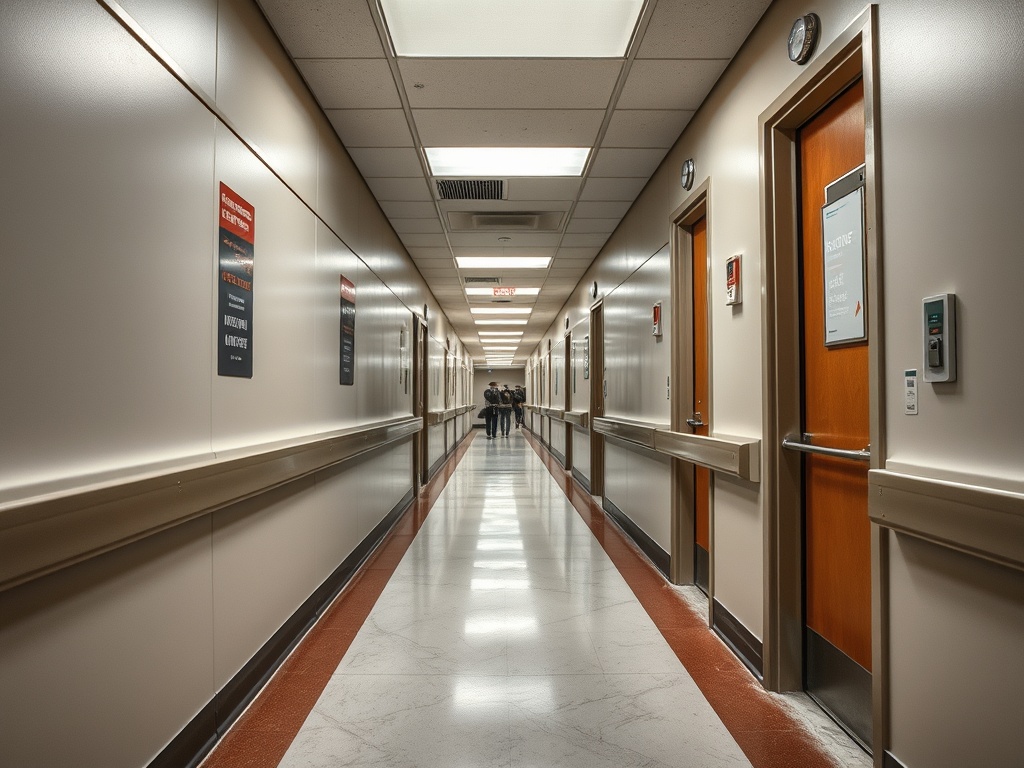
Wall protection products reduce visible damage and cleaning headaches when they are matched to traffic, impact, hygiene, fire, accessibility, and maintenance needs. The right choice is not the thickest product; it is the product that fits the space and the way people use it.
Key takeaways:
- Match protection to the impact source: carts, beds, chairs, backpacks, equipment, doors, or people.
- Hospitals need cleanability, infection-control review, and durable transitions.
- Schools need abuse resistance, repairability, and details that do not create sharp edges or hiding places.
- Corridors need consistent mounting heights, backing, corner protection, and door-frame protection.
What Wall Protection Is Actually Solving
A corridor wall gets damaged because people and equipment repeatedly hit the same zones. In hospitals, that may be beds, wheelchairs, carts, mobile imaging equipment, and cleaning machines. In schools, it may be backpacks, lockers, carts, chairs, sports equipment, and crowded transitions. In commercial corridors, moving crews, deliveries, luggage, and janitorial equipment often cause the wear.
The product decision should start with observed impact patterns. A wall guard placed too high will not stop cart damage. A corner guard without proper backing may fail when hit. A full wall sheet may be excessive in a quiet corridor but practical near service elevators. CDC guidance on cleaning and disinfecting facility surfaces reinforces the importance of regular cleaning of high-touch surfaces, while healthcare settings may have more specific protocols and product review needs.
Common Product Types and Best-Fit Uses
| Product | Best Use | Watch For |
|---|---|---|
| Corner guards | Outside corners, door returns, alcoves | Backing, adhesive or fastener choice, edge condition |
| Wall guards or bumper rails | Cart, chair, bed, and equipment impact zones | Height alignment, end caps, cleaning behind rails |
| Crash rails | Healthcare beds and heavy wheeled equipment | Structural backing, hand clearance, infection-control review |
| Handrails with protection | Corridors requiring support and impact resistance | Accessibility, grip profile, bracket strength |
| Rigid sheet protection | Lower walls, service corridors, classrooms, patient areas | Seams, adhesives, substrate prep, cleanability |
| Door and frame protection | Push side damage, cart strikes, bed movement | Clearance, hardware function, fire door restrictions |
Hospitals: Cleanability and Impact Both Matter
Hospitals are not just high-traffic buildings. They are care environments where surfaces, cleaning chemicals, infection-control processes, patient movement, and life-safety rules intersect. Product selection should involve facilities, infection prevention, environmental services, design, safety, and clinical representatives when work affects patient areas.
AHRQ's technical brief on environmental cleaning for healthcare-associated infection prevention notes that cleaning hard surfaces in hospital rooms is central to reducing healthcare-associated infection risk, while also acknowledging that methods and monitoring vary. For wall protection, that means product claims should be reviewed carefully. Smooth transitions, sealed seams where appropriate, chemical compatibility, and repairability may matter as much as impact rating.
Healthcare teams should also check fire ratings, smoke development, wall assembly requirements, and door or corridor clearances. A protection product should not interfere with fire doors, handrails, medical equipment, nurse call devices, wall-mounted utilities, or required egress widths.
Schools: Durability Without Overbuilding
Schools need wall protection that can tolerate crowds, cleaning, furniture movement, and occasional abuse. However, the best school solution is often targeted. Full-height sheets everywhere can be costly to install and repair, while limited guards at corners, locker zones, cafeteria entries, gym connections, and classroom doorways may solve the worst damage.
Product color and texture are subjective design choices, not performance facts. Some districts prefer products that blend into the wall; others choose contrasting colors for visibility. The objective criteria are easier to verify: impact pattern, substrate condition, backing, cleanability, repair process, edge safety, and compatibility with fire and accessibility requirements.
High-Traffic Commercial Corridors
In office, hospitality, multifamily, and public buildings, the challenge is balancing appearance with long-term wear. Service routes, elevator lobbies, loading paths, mail rooms, move-in corridors, and waste rooms often need more protection than front-of-house spaces. A good plan can use different products by zone rather than forcing one solution everywhere.
This is where mockups help. A short installed sample can confirm height, color, sheen, trim, end conditions, and how the product meets base, door frames, and inside corners. The same practical thinking behind mockups for facade and waterproofing work applies to interiors: make the risky decisions visible before full installation.

Installation Details That Decide Performance
Wall protection fails when the substrate is weak, backing is missing, adhesives are misused, or fasteners are placed where they cannot resist impact. Before installation, confirm wall type, backing, fire rating, vapor or moisture concerns, door swing, base condition, existing damage, and cleaning requirements. In renovation work, check whether old paint, wallcovering, or patching compound can support adhesive products.
Exterior cladding decisions may seem unrelated, but the same principle applies: assemblies perform only when transitions and details are respected. The comparison of EIFS, stucco, and fiber cement cladding shows how product choice and maintenance expectations must be aligned. Interior protection needs the same discipline.
A Corridor Protection Plan That Ages Well
Start with a damage survey. Photograph typical strikes, map hot spots, and mark likely impact heights. Then select products by zone, verify code and facility requirements, build a small sample if appearance matters, and document cleaning and repair procedures.
For owners planning renovations or additions, include wall protection in the early budget instead of treating it as a late add-on. The planning logic in budgeting for an addition without draining contingency works for interiors too: define the scope early so the contingency is not consumed by predictable wear protection.
Selection Questions Before Ordering
Before ordering wall protection, ask a few practical questions. What is hitting the wall, how high does it hit, how often does it happen, and who repairs damage now? What cleaning products are used, and will they affect the finish? Does the substrate need backing or repair before installation? Are there fire-rated walls, fire doors, medical gases, handrails, outlets, signage, or devices that limit product placement? Who approves colors, heights, seams, and end caps? These questions help convert a product preference into a maintainable scope.
Maintenance Access After Installation
A protection product should not make future maintenance harder. Facilities teams still need access to outlets, access panels, valves, handrail brackets, door hardware, fire devices, and wall-mounted equipment. Removable sections, documented fastener locations, and spare material can make repairs easier. Without that planning, a durable product can become a barrier to routine maintenance.
This article is for educational use only and is not professional engineering, architectural, infection-control, legal, code, or project management advice. Confirm requirements with qualified professionals, product manufacturers, and local authorities.