How Esports Became a Serious Competitive Ecosystem answers a practical question for intermediate readers: how to understand the topic well enough to make better decisions, practice smarter, or enjoy the sport with more confidence. The key is to focus on rules, context, and usable habits rather than memorizing jargon.
Quick Takeaway: Start with the main decision behind esports became serious competitive ecosystem, then use the article’s framework to choose your next step. Facts, rules, and safety guidance are separated from analysis or practical interpretation.
For broader context, compare this guidance with IOC Olympic Esports Games update. Readers who want a connected localmarkettoday.com/ path can also review How Sports Teams Make Money Beyond Ticket Sales after this section.
Esports became serious through structure
Esports is competitive video gaming organized around rules, rankings, teams, broadcasts, sponsors, tournaments, and fan communities. What made it serious was not only prize money. It was the creation of repeatable competition systems that viewers could follow and players could train for.
A casual match becomes esports when the game, format, officiating, schedule, and stakes are formal enough to support comparison.
Players train more like specialists than hobbyists
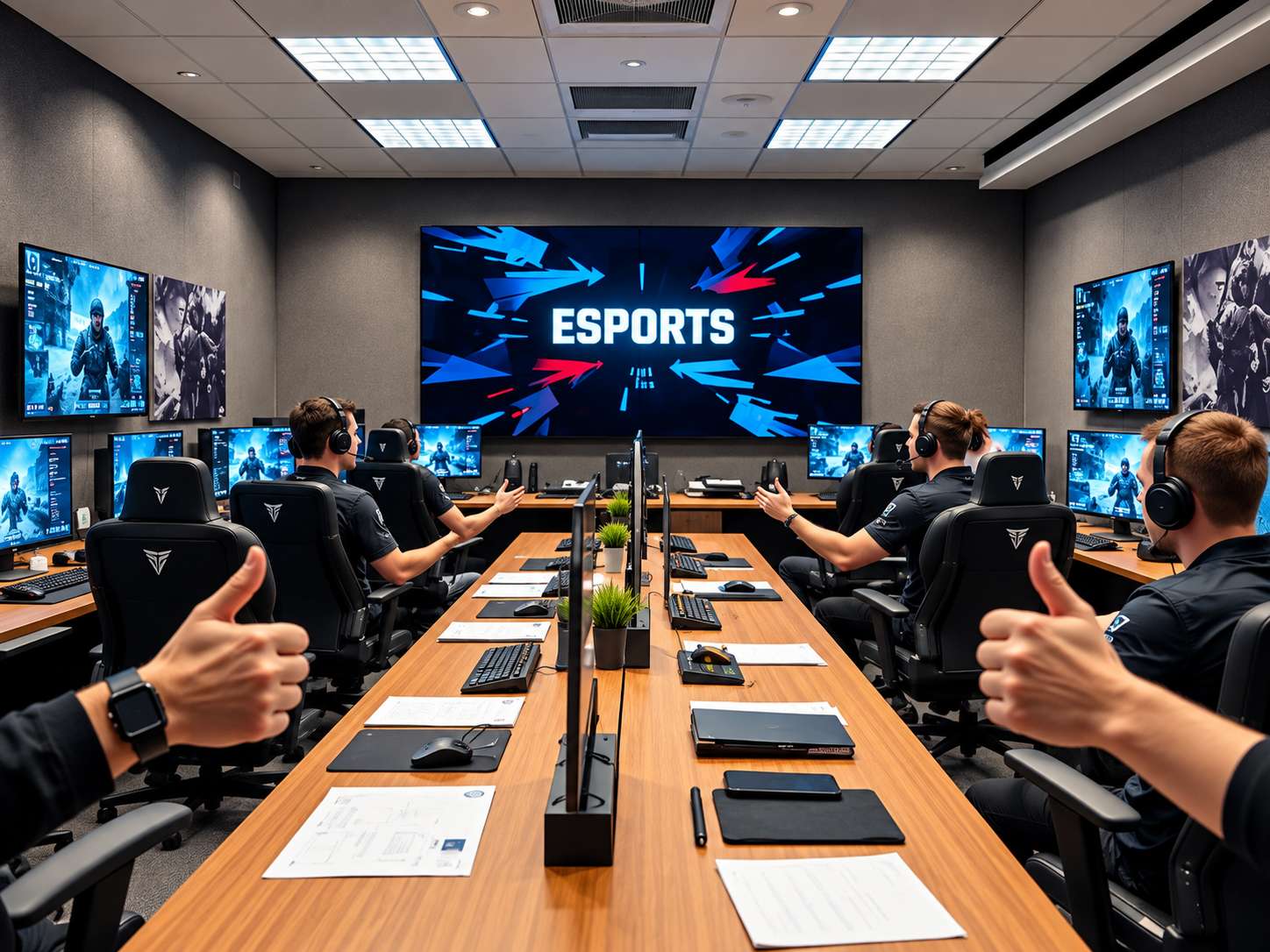
High-level esports players practice mechanics, strategy, communication, review, nutrition, sleep, and mental control. The physical demands differ from field sports, but focus, reaction, teamwork, and preparation still matter. Coaches and analysts help teams turn game data into decisions.
The best comparison is not “is it identical to sport?” It is “does it have a competitive ecosystem with skill development, rules, audiences, and institutions?”

Publishers, platforms, and intellectual property
Traditional sports rarely have one company owning the sport itself. In esports, the game publisher often controls intellectual property, balance updates, tournament permissions, and sometimes the competitive calendar. That gives esports a business structure unlike most legacy sports.
This creates both speed and risk. A publisher can improve a game quickly, but a rule change or shifting commercial priority can reshape the scene.
What comes next for fans and careers
Esports now connects players, streamers, analysts, event producers, coaches, sponsors, and software platforms. Careers exist beyond competing, but the field rewards adaptability because games and audience habits change fast.
For fans, the smartest starting point is to learn one title deeply: its objectives, roles, maps, economy, and tournament format. Then the wider ecosystem becomes easier to understand.
Useful comparison for esports became serious competitive ecosystem
| Esports element | Traditional-sport parallel | Important difference |
|---|---|---|
| Teams | Coaching and roles | Game patches can change the meta |
| Leagues/events | Schedules and standings | Publisher control matters |
| Broadcasts | Commentary and fans | Streaming culture is central |
This is also where the connected article How to Plan Your First Live Sporting Event Without Missing the Best Parts can help, because the next decision usually depends on practice habits, equipment, safety, or fan context rather than one isolated tip.
When health, safety, participation, or sport structure affects the decision, use primary guidance such as ESA esports resource hub and adapt it to age, setting, and available supervision.
Esports misunderstandings new fans can skip
The most common error is treating esports became serious competitive ecosystem as a single rule instead of a context-dependent decision. Beginners may copy what elite athletes, professional teams, or experienced fans do without asking whether the same conditions apply. Intermediate readers may overcorrect in the other direction and make the plan too complex. The better route is to identify the setting, the person involved, the time available, and the cost of being wrong.
A second error is confusing objective information with opinion. Scores, fixtures, official rules, equipment restrictions, and published health guidance can be checked. Tactical interpretations, predictions, motivation advice, and buying preferences should be treated as analysis. That distinction keeps sports writing useful and fair.
Apply the esports lens as a new viewer
Choose one esport and learn the objective before judging the action. In a tactical shooter, understand rounds, economy, map control, and utility. In a multiplayer online battle arena, learn lanes, objectives, roles, and timing. In a sports simulation, learn the tournament rules and roster structure.
Watch with commentary on at first. Good commentators translate fast action into decision points: why a team rotated, why an ultimate was saved, why a player waited, or why a resource trade mattered. Those explanations turn visual chaos into a readable contest.
Then look beyond the match. Follow the league format, patch changes, player roles, and team storylines. Esports becomes more compelling when the viewer understands how preparation, game updates, and tournament pressure interact.
A short checklist for following an esport
Learn the objective, roles, match format, tournament structure, and latest rule or patch context. Once those pieces are clear, player decisions and team strategies become much easier to follow.
Watch esports as a full competition system
Use this guide as a practical starting point, then move to the most relevant next article for your goal. A sensible next read is Games & Sports 101: A Beginner’s Guide to Rules, Scoring, and Competition Formats, especially if you want to connect this topic to training, gear, planning, safety, or the business side of sport.