Games & Sports 101: A Beginner’s Guide to Rules, Scoring, and Competition Formats answers a practical question for beginner readers: how to understand the topic well enough to make better decisions, practice smarter, or enjoy the sport with more confidence. The key is to focus on rules, context, and usable habits rather than memorizing jargon.
Quick Takeaway: Start with the main decision behind games sports 101, then use the article’s framework to choose your next step. Facts, rules, and safety guidance are separated from analysis or practical interpretation.
For broader context, compare this guidance with CDC physical activity guidance. Readers who want a connected localmarkettoday.com/ path can also review How to Build Better Hand-Eye Coordination for Ball Sports and Racket Games after this section.
What “games and sports” really covers
Games and sports share a simple idea: people agree to rules, pursue a goal, and accept a method for deciding the result. The difference is usually physical demand, formal organization, and competitive tradition. A backyard game may use flexible rules; an organized sport uses defined scoring, eligibility, equipment, officials, and competition formats.
For beginners, the fastest path is not memorizing every rule. It is learning what counts as success, how play restarts, what actions are illegal, and how a winner is decided. Once those four questions are clear, the rest of the terminology becomes easier to place.
The four parts of nearly every contest
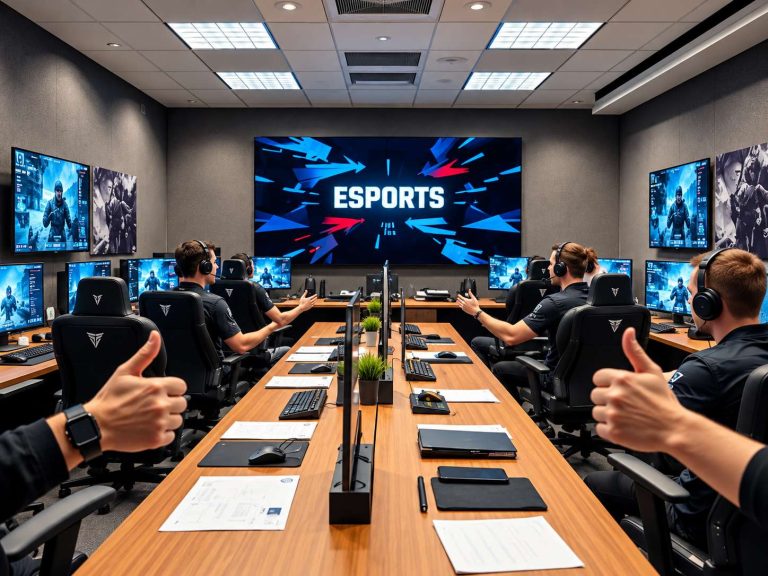
Most sports and competitive games can be read through four lenses: objective, boundaries, scoring, and timing. Soccer rewards goals within a timed match. Tennis rewards points, games, sets, and match wins. Golf counts strokes over holes. Esports titles may use maps, rounds, objectives, eliminations, or resource control.
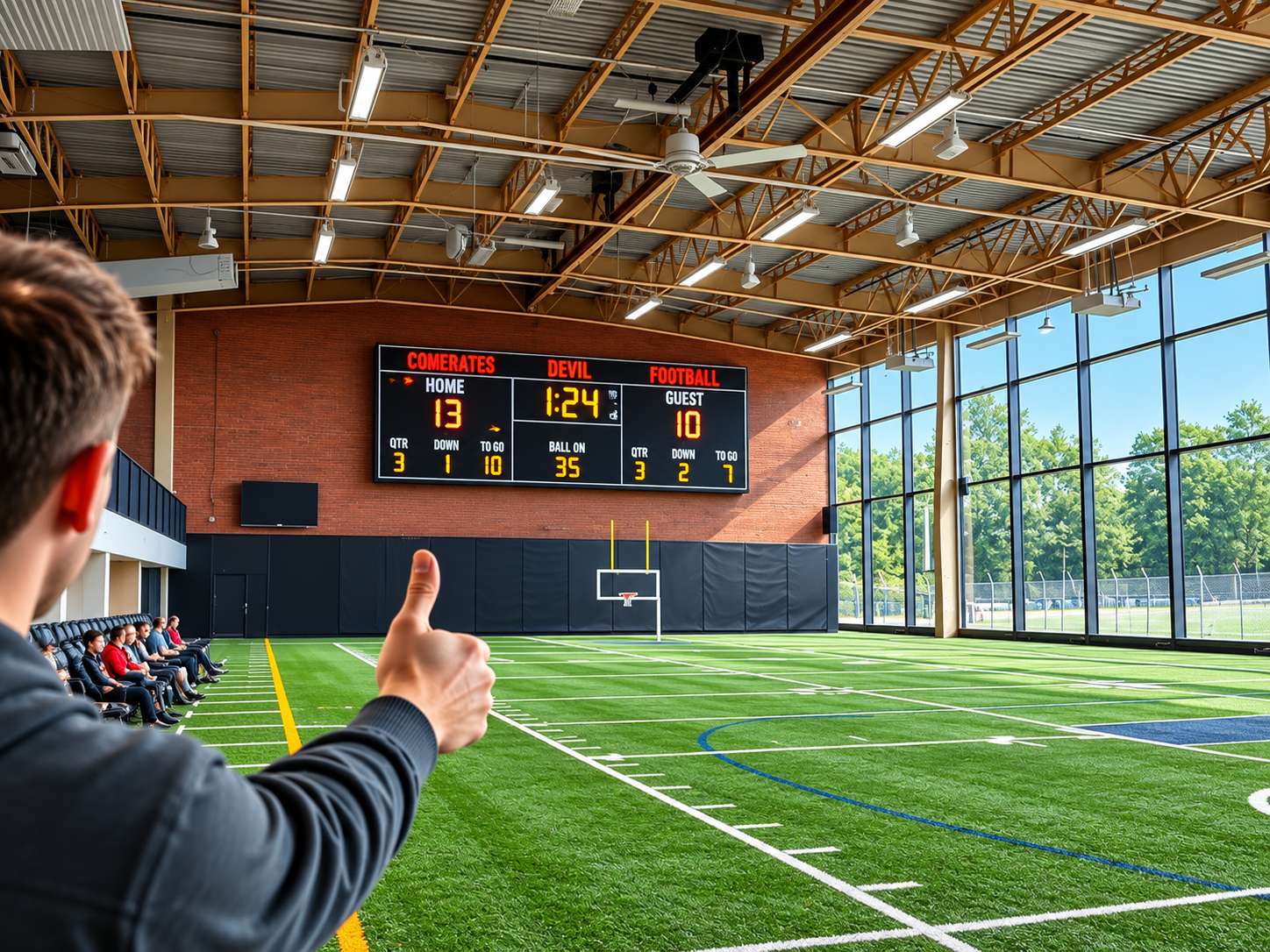
This structure helps newcomers avoid a common mistake: treating all scoreboards the same. A low number is good in golf, but not in basketball. A team may lose a possession but still improve field position. A player may win more points but lose a tennis set because of when those points happened.

Formats that change how pressure feels
A league table rewards consistency. A knockout bracket rewards survival. A round-robin gives every entrant more than one chance. A best-of series reduces randomness by requiring repeated wins. None is automatically fairer in every setting; each format balances time, drama, cost, and competitive accuracy.
That is why the same sport can feel different across school, recreational, professional, and tournament settings. The beginner should ask, “What must a participant do to advance?” before judging performance.
Beginner misunderstandings worth clearing up
New fans often confuse rules with strategy. A rule says what is allowed. Strategy explains why a team chooses one legal option over another. Another misunderstanding is assuming officials stop play for every contact or mistake. Many sports use advantage, discretion, or thresholds so the contest can flow.
A third misunderstanding is thinking equipment defines the sport. Gear matters, but rules and scoring create the competition. Better shoes, rackets, or controllers may help comfort and consistency, but they do not replace knowing the format.
Useful comparison for games sports 101
| Format | Best for | Beginner note |
|---|---|---|
| League table | Rewarding consistency | Look at points and tie-breakers, not one result |
| Knockout bracket | Drama and clear elimination | One upset can change everything |
| Best-of series | Reducing one-game randomness | Depth and adaptation matter |
This is also where the connected article How to Choose the Right Running Shoes for Distance, Speed, and Support can help, because the next decision usually depends on practice habits, equipment, safety, or fan context rather than one isolated tip.
When health, safety, participation, or sport structure affects the decision, use primary guidance such as Olympic sports directory and adapt it to age, setting, and available supervision.
Beginner traps that make rules feel harder
The most common error is treating games sports 101 as a single rule instead of a context-dependent decision. Beginners may copy what elite athletes, professional teams, or experienced fans do without asking whether the same conditions apply. Intermediate readers may overcorrect in the other direction and make the plan too complex. The better route is to identify the setting, the person involved, the time available, and the cost of being wrong.
A second error is confusing objective information with opinion. Scores, fixtures, official rules, equipment restrictions, and published health guidance can be checked. Tactical interpretations, predictions, motivation advice, and buying preferences should be treated as analysis. That distinction keeps sports writing useful and fair.
Apply the beginner framework during your next watch session
Choose one game or match and watch it with one narrow focus: scoring, restart rules, positions, or the competition format. Pause the urge to understand every tactic at once. After ten minutes, write down what creates a scoring chance, what stops play, and how the scoreboard changes. That small exercise makes the next viewing session far easier.
If you are playing rather than watching, ask a coach or experienced teammate to explain only the two or three rules that create the most stoppages. Learn those first. A newcomer who avoids repeated illegal actions, understands the objective, and respects the flow of play can participate confidently while the finer details develop over time.
For families, this framework also helps when comparing sports. A child may enjoy open-field movement, turn-based precision, short bursts, or long endurance formats. The right entry point is often the format that keeps attention and confidence high, not the sport that looks most impressive on television.
A simple checklist before you move on
Name the objective, the scoring method, the restart rules, the competition format, and one common penalty. If you can explain those five items to another beginner without checking your phone, you know enough to enjoy the next match and ask better questions.
How to keep learning without overload
Use this guide as a practical starting point, then move to the most relevant next article for your goal. A sensible next read is How to Build Mental Toughness Without Using Empty Sports Clichés, especially if you want to connect this topic to training, gear, planning, safety, or the business side of sport.