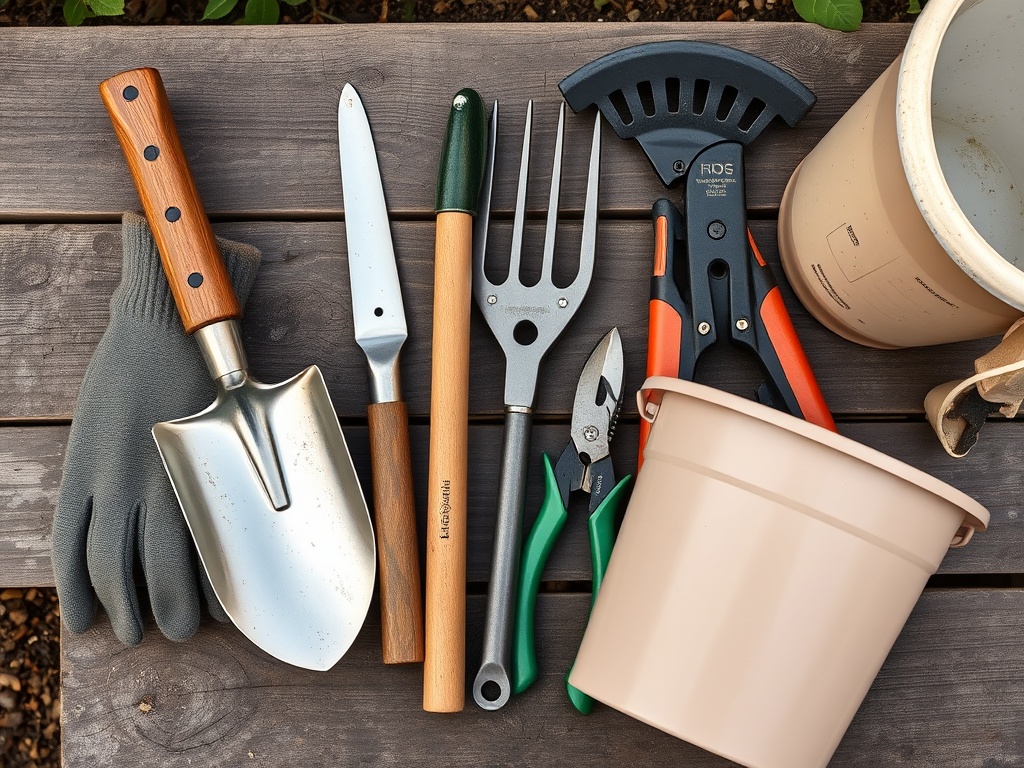
A beginner can handle most small garden tasks with a short core kit: gloves, a hand trowel, a digging shovel or spade, a garden fork, a rake, a hose or watering can, and bypass pruners. Add specialty tools only when your garden size, soil, plants, or physical needs create a clear reason for them.
TL;DR
Key takeaways
- Buy fewer tools first and choose sturdy versions that feel comfortable in your hands.
- Prioritize digging, planting, watering, pruning, and basic soil cleanup.
- Match long-handled tools to your height and strength so routine work does not become awkward.
- Keep blades sharp, remove soil after use, and disinfect cutting tools when disease transmission is a concern.
- Rent or borrow infrequently used equipment before buying it.
1. Garden Gloves
Gloves protect against blisters, rough stems, soil abrasion, and some thorns. They are not a substitute for caution around pesticides, sharp tools, or irritating plants, but they make routine work more comfortable.
Choose a pair that fits closely enough to grip a trowel without bunching. A breathable fabric glove with coated palms works for many everyday jobs; heavier leather or reinforced gloves make more sense for thorny shrubs and rough material.
Keep more than one pair if you garden regularly. Wet gloves are unpleasant and can wear faster when repeatedly used before drying.
2. Hand Trowel
A hand trowel is one of the most useful tools in a small garden. It handles transplant holes, container work, small weeds, bulb planting, and quick soil checks.
Look for a strong connection between blade and handle. Very thin metal can bend in compacted soil. A comfortable grip matters more than decorative features.
For deep taproots or narrow planting holes, a soil knife or hori-hori can be useful later, but a solid trowel is enough to start.
3. Digging Shovel or Spade
A round-point shovel is versatile for digging holes and moving loose soil, while a flat-edged spade makes cleaner cuts along beds and is useful for slicing through sod. You do not necessarily need both at first.
Choose based on your main work. If you are creating beds in existing lawn, a spade can be valuable. If you are digging planting holes and moving compost, a round-point shovel may be more flexible.
Test handle length and weight before buying. A tool that is too heavy or too short may discourage proper lifting and make repeated work tiring.
4. Garden Fork
A garden fork loosens soil, lifts root crops, turns compost, and works organic matter into beds with less slicing action than a shovel. It is especially useful in compacted or clay-rich soil where a rake alone cannot penetrate.
Do not confuse a sturdy digging fork with a lightweight pitchfork. Digging forks have stronger, shorter tines designed for soil work.
Use body weight rather than forcing the handle sideways; levering too aggressively can bend tines or strain the shaft.
5. Rake
A rigid garden rake levels soil, breaks small clods, gathers stones, and prepares seedbeds. A flexible leaf rake is designed for leaves and light debris. Beginners often benefit more from a garden rake if they are creating beds from scratch.
If your property has many mature trees, a leaf rake quickly becomes essential too. Otherwise, borrow or add one when seasonal cleanup demands it.
A good rake should be wide enough to work efficiently but not so heavy that leveling soil becomes difficult.
6. Watering Can or Hose With a Gentle Nozzle
Containers and tiny gardens may need only a watering can. Larger beds are easier with a hose and watering wand or adjustable nozzle that can deliver a soft flow without blasting seedlings.
A shutoff valve at the wand helps reduce wasted water while moving between beds. If your garden expands, a soaker hose or drip system may become worthwhile.
Keep the watering setup proportional to the garden; a small bed rarely needs the same equipment as a large landscape.
7. Bypass Pruners
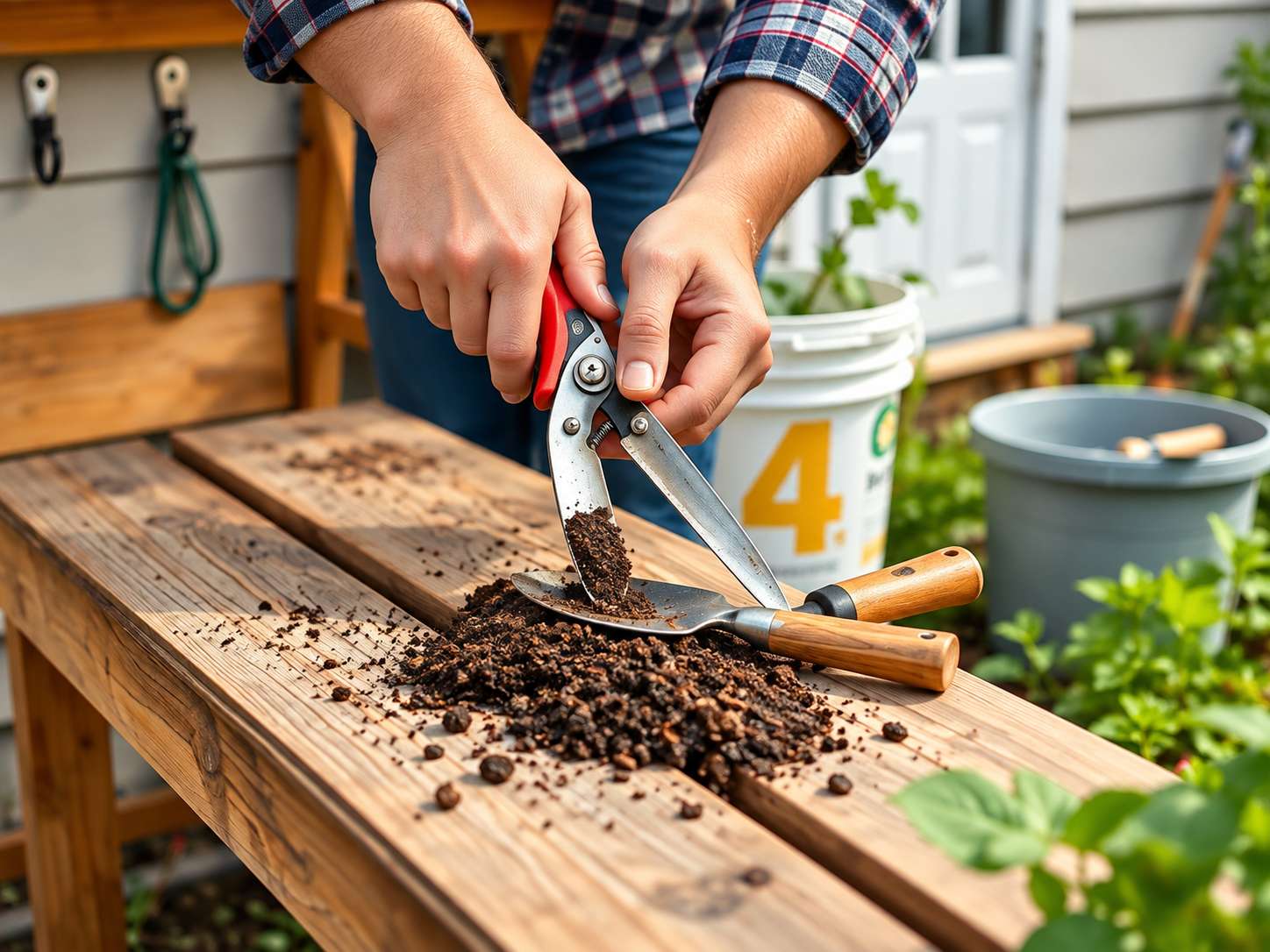
Bypass pruners use two curved blades that pass each other, making clean cuts on many live stems. They are useful for deadheading, harvesting, removing small damaged branches, and shaping perennials or shrubs.
The University of Minnesota Extension’s pruning guide emphasizes using the right tool for the branch size and keeping tools sharp. Do not force hand pruners through branches that exceed their capacity; use loppers or a pruning saw instead.
Choose pruners that fit your hand. Smaller grips and rotating handles can reduce strain for some users, but comfort is individual.
8. Bucket or Flexible Garden Tub
A plain bucket is underrated. It carries weeds, compost, tools, harvested produce, and water. A flexible tub works especially well for bulky leaves or mulch.
Because it serves many jobs, this is one area where an inexpensive, durable option is often enough. Avoid using the same container for pesticides and harvested food unless it has been appropriately cleaned and is suitable for that purpose.
Tools You Can Wait to Buy
A wheelbarrow is useful for large yards, heavy soil, mulch, or compost, but may be unnecessary in a tiny garden. A hoe becomes more valuable with rows and larger cultivated areas. Loppers, pruning saws, pole pruners, cultivators, and specialty weeders should be added when the plants and tasks justify them.
Power tillers are not beginner essentials. They can be useful for certain new-bed or large-garden situations, but renting is often more sensible if the job occurs once a year. Repeated tillage can also disrupt soil structure, so equipment ownership should not dictate soil management.
Let the property plan shape the tool list. A low-maintenance front yard design may reduce pruning and edging work, while a budget outdoor living room shifts more effort toward surfaces, seating, and containers.
How Much Should You Spend?
Price is not a reliable proxy for suitability. A mid-priced forged trowel that feels comfortable can outperform a premium tool that does not fit your grip or tasks.
Spend more where failure is frustrating or unsafe: pruners that hold an edge, a shovel with a strong handle, and a hose fitting that does not leak. Spend less on simple carrying and cleanup tools until you know your preferences.
Before buying a large kit, pick up each tool individually. Bundles can include pieces you never use.
Maintain Tools So They Last
Knock or brush soil off tools after use and allow them to dry before storage. Periodically inspect wooden handles for cracks or splinters and metal parts for rust or loose fasteners.
Sharpen cutting edges as needed. Clean pruners before moving between diseased and healthy plants when pathogen transmission is a concern. The University of Minnesota Extension’s 2026 tool-cleaning guidance outlines cleaning and disinfection options and cautions that some products can corrode metal or damage surfaces.
Do not mix disinfectants, and follow label directions for any chemical product.
Store Tools Where You Will Use Them
A simple wall rack, bucket caddy, or shelf near the garden is often more useful than an elaborate storage system across the property. Keep sharp edges covered or positioned safely and store tools out of standing water.
Add permanent storage only after you know which tools deserve regular space and which can be borrowed or rented.
Buy for the Garden You Have
For most beginners, seven or eight basic tools are enough to plant, weed, water, prune, and maintain a small garden. Start with the core kit, borrow specialty equipment, and add tools only after a recurring task proves you need them.
Home and garden information is educational and general. Tool suitability, pruning methods, chemical disinfection, and safe equipment use vary by task; follow manufacturer instructions and consult qualified professionals for hazardous, high, heavy, or powered work.