Cluster: Business Travel, Meetings & Bleisure | Search intent: Informational | Audience: Beginner | Funnel: Top of Funnel
A good business hotel is one that reduces friction around the workday: practical location, a usable workspace, dependable connectivity, predictable check-in and billing, and access to the services your schedule actually requires. ‘Business hotel’ is a positioning label rather than a guarantee, so each feature should be checked for the specific property and rate.
TL;DR: Prioritize location-to-meeting time, room workspace, Wi-Fi terms, quiet, breakfast and late-arrival logistics, receipt and cancellation policies, and any meeting-space needs. For business travel, reliability and recovery time often matter more than a long list of leisure amenities.
Start with the workday, not the hotel lobby
The most useful business-hotel search begins with the schedule. Mark the office, conference venue, client site, airport or rail station, and the times you need to be there. A hotel that looks central on a map may still create a difficult commute at rush hour. A property farther away may work better if it has direct transit or sits next to the meeting venue. Location should be measured in usable travel time, not just distance.
Federal employees in the United States operate under specific travel rules; the GSA lodging resources explain the federal lodging framework and programs such as FedRooms. Private-sector travelers will have different company policies, but the general lesson is transferable: know the reimbursement, booking-channel, tax, and receipt requirements before choosing a rate.
The room should function as a temporary workspace
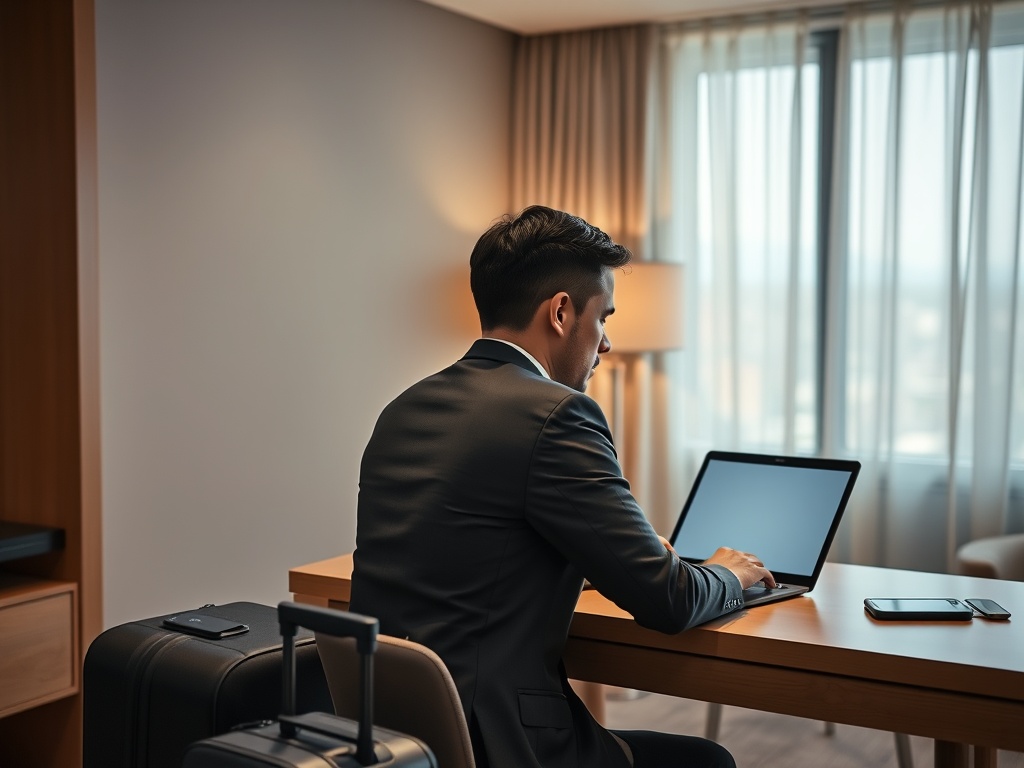
A desk is useful only if the chair, lighting, outlets, and room layout make it practical. Check photos for a real work surface, not just a decorative console. If video calls matter, think about background, lighting, and likely noise. If you expect long work sessions, room size and seating may matter more than an upgraded view.
Room categories can hide important differences in desk size, floor location, bed configuration, and access to lounges. Review hotel room categories before paying for an upgrade that sounds business-friendly but does not solve your actual work needs.
Connectivity needs more than a Wi-Fi icon
A hotel may advertise Wi-Fi without stating whether it is complimentary, limited by device count, available in meeting rooms, or suitable for high-bandwidth work. If connectivity is critical, ask about the network in the specific room and meeting areas you will use. Travelers handling sensitive company data should follow their employer’s security requirements, including approved VPN or device practices; a hotel network should not be treated as inherently secure.
Also plan a backup. Mobile hotspot coverage, a nearby coworking facility, or the ability to work from a company office can reduce the impact of a hotel-network problem. This is a resilience decision, not a claim that one hotel connection will fail.
Meetings, printing, and small services can save a trip
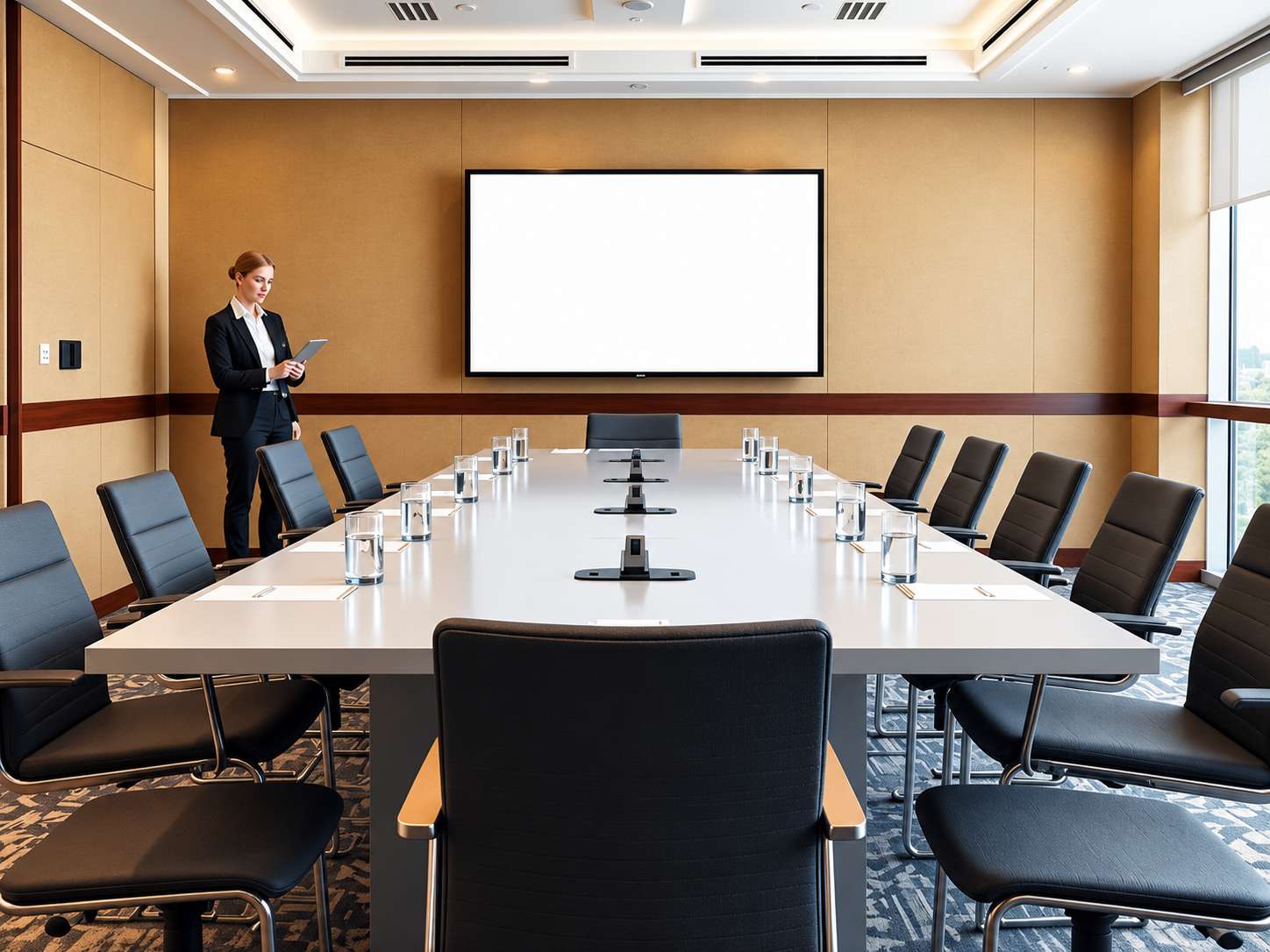
Business centers are less central than they once were, but printing, scanning, package handling, meeting rooms, early breakfast, laundry, and late food can still matter. Confirm hours and fees. A meeting room may require advance booking, catering minimums, audio-visual charges, or different cancellation terms from the guest room.
For international business travel, the State Department’s business-travel guidance is one official U.S. source for planning considerations. Travelers should use the equivalent official guidance for their own nationality and destination, especially when local laws, entry rules, or security conditions affect the trip.
Late arrivals and early departures expose weak logistics
A business itinerary often compresses the hotel stay. If you land late, verify the reception or check-in process, food options, transfer availability, and what happens if the flight is delayed. If you leave early, check breakfast hours, checkout procedures, invoice delivery, and transport. A 24-hour front desk can be helpful, but the specific services available overnight still vary.
This is also a reason to think about booking timing. booking windows explains why a specific location or room requirement may justify reserving earlier, especially around conventions and citywide events when business-oriented inventory can tighten.
Safety and accessibility are core operating features
Business convenience should not push safety or accessibility into a secondary check. The U.S. Fire Administration’s Hotel-Motel National Master List identifies U.S. properties that meet provisions of the Hotel and Motel Fire Safety Act for federal-travel purposes. The list is not a general quality ranking, but it shows how one official system treats lodging safety as a concrete compliance question.
If you need accessible facilities, confirm the exact room and route requirements before arrival. The ADA’s lodging guidance describes U.S. obligations for places of lodging and equal access. Requirements differ by country, so use locally applicable standards for international stays.
Business extras should earn their place
Executive lounges, premium floors, club access, and higher service tiers can be useful when they replace meals, provide quiet workspace, or reduce time spent moving around the property. They are not automatically necessary for a productive trip. Compare the added price with the specific benefit you expect to use. The framework in luxury hotel hallmarks can help separate service depth from decorative prestige.
Keep expense-policy compliance in the comparison. A company may reimburse the room but not certain upgrades, lounge access, alcohol, or leisure services. The best business-hotel choice is one that fits both the workday and the rules you will be accountable to afterward.
Sleep quality is a business feature
A work trip often depends on the next morning more than the previous evening. Room location, blackout curtains, climate control, bedding, corridor noise, elevator proximity, and nearby nightlife can all affect sleep. These are partly subjective, but the hotel can often verify room location, construction, window type, or quiet-floor options.
If you need a particularly quiet or accessible room, contact the property early and ask which category best fits the requirement. Treat requests as requests unless the hotel confirms them as part of the reservation.
Billing details are part of a smooth checkout
Business travelers may need an itemized folio, separate personal charges, a company address, tax documentation, or receipts delivered electronically. Confirm those needs before checkout, especially when a third party paid for the room or the reservation includes meals, parking, or other bundled services. If expenses must be submitted quickly, ask how long the hotel keeps authorization holds and when a final invoice becomes available.
A clean billing process is not glamorous, but it can save more work after the trip than a premium amenity used once.
Make the hotel support the workday
Before booking, run through one imaginary day from wake-up to final email: breakfast, commute, meetings, calls, exercise or downtime, dinner, charging devices, and sleep. Any obvious friction point becomes a question to verify with the hotel.
Choose the property that makes the schedule more dependable, not the one with the most impressive lobby description. A business hotel earns its value when the room, location, services, and policies make it easier to do the work and recover between workdays.