Cluster: Luxury & Premium Stays | Search intent: Informational | Audience: Beginner | Funnel: Top of Funnel
Luxury hotels are generally distinguished less by a single amenity than by the depth, consistency, and personalization of the overall stay. There is no universal legal definition of 'luxury hotel,' so travelers should look for verifiable service features, room standards, privacy, facility depth, and the criteria used by any rating organization rather than relying on the label alone.
TL;DR: Luxury is best evaluated as a system: service before and during the stay, room comfort and maintenance, privacy, dining and wellness depth, ease of handling requests, and consistency across touchpoints. Independent rating programs can provide defined criteria, but they use different systems and should not be treated as interchangeable.
Luxury begins with service depth, not decoration
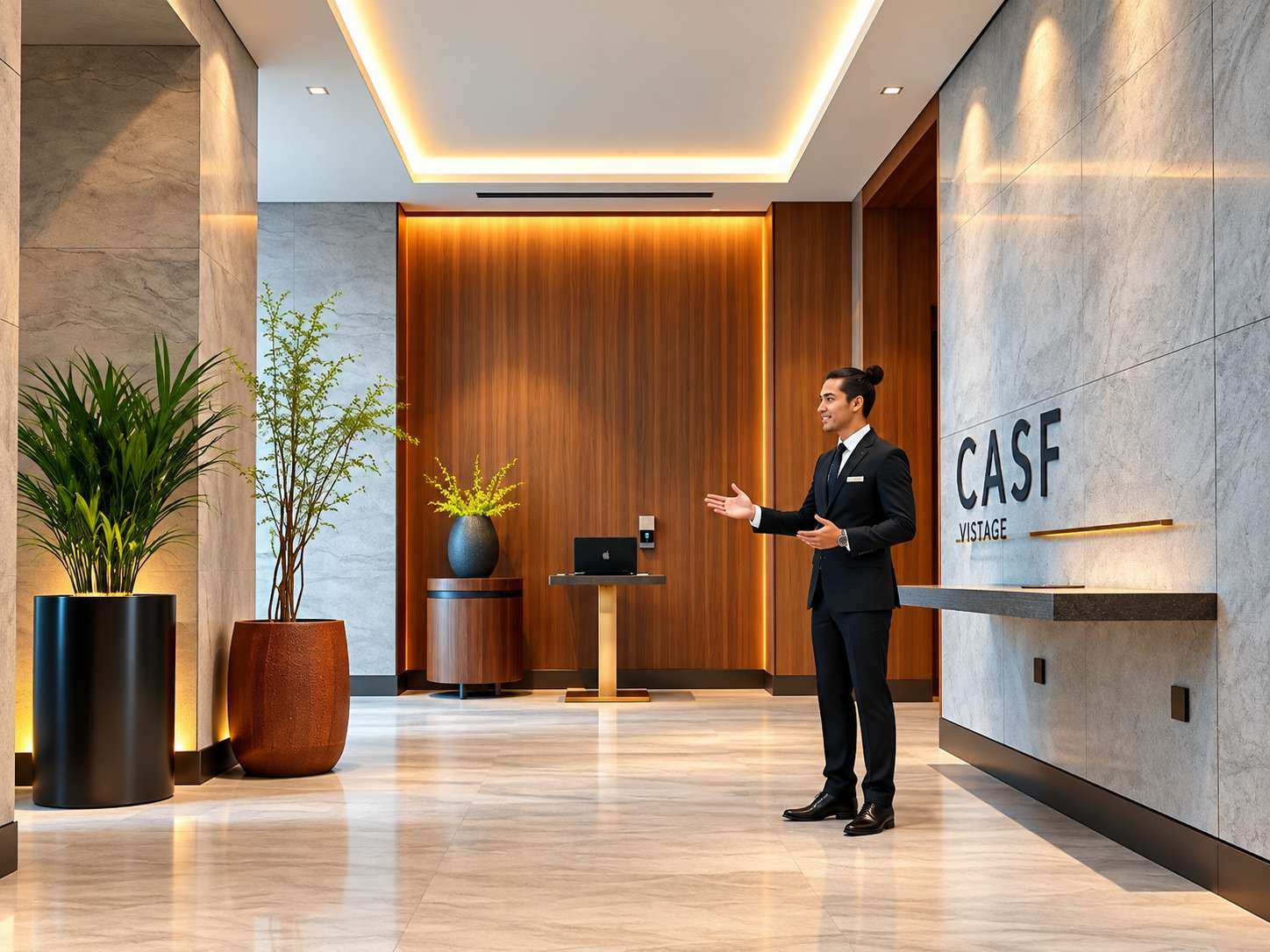
Marble, large lobbies, premium materials, and dramatic views can contribute to luxury positioning, but the more durable hallmark is service that reduces friction. That can include responsive pre-arrival communication, smooth check-in, informed staff, effective housekeeping, concierge support, luggage handling, dining assistance, and the ability to resolve reasonable requests without sending the guest through multiple departments.
The exact service model varies by property. Some luxury hotels emphasize formal staff interaction; others use a quieter, less visible approach. The objective question is what services are available and how they are delivered. The subjective question is whether that style feels luxurious to a particular guest. Keep those two ideas separate.
Independent rating systems define luxury differently
Rating programs can give structure to a word that is otherwise broad. Forbes Travel Guide says its Star Rating standards cover the guest journey from reservation through departure and place strong emphasis on service. AAA's Diamond program uses its own inspection-based criteria. These systems are useful because they publish or describe a method, but they are not the same scale and do not make every luxury property identical.
If a hotel advertises an award or rating, verify the current designation with the issuing organization. Do not assume that a property's self-description as five-star is the same as an independently awarded Five-Star rating.
Guest rooms show luxury in details that affect use
Room hallmarks can include generous space, high-quality bedding, strong sound control, effective climate control, blackout capability, multiple lighting scenes, thoughtful outlets, premium bathroom fixtures, quality towels, storage, and consistent housekeeping. None of these should be inferred from a room category name. Verify the actual features that matter to you.
If you are comparing suites, club rooms, villas, or premium floors, hotel room categories can help separate the accommodation label from the practical differences in layout and access. A more expensive category may add space or service, but it may also simply add a view or floor location.
Privacy and arrival logistics can be part of the premium
Luxury properties often compete on privacy and ease: discreet entrances, private transfers, dedicated check-in, quieter room locations, villa access, or staff coordination around arrivals. These features may be valuable to guests seeking a low-friction or private stay, but availability and pricing vary. Ask what is included with the booked room rather than assuming every premium service is part of the rate.
For resort stays, transfer logistics can be especially important. A private car, boat, or airport representative can add convenience, but it may be a separate service. Verify operator, timing, luggage rules, cancellation terms, and price.

Dining and wellness add depth when they are usable
Multiple restaurants, bars, room service, spas, fitness facilities, pools, and private lounges can support luxury positioning. The value comes from access and execution, not the count alone. Check reservation requirements, dress policies, age restrictions, spa booking lead times, and which venues are seasonal. A facility that is closed during your dates should not be treated as part of the usable stay.
If wellness is a central reason for paying a premium, wellness resort basics provides a separate framework for programs, spa services, fitness, and wellbeing-focused stays. Luxury and wellness overlap, but neither automatically implies the other.
All-inclusive and luxury are separate questions
Some luxury resorts use all-inclusive pricing; others charge separately for dining, drinks, activities, transfers, and spa services. A premium room rate therefore does not tell you how much of the experience is bundled. Review all-inclusive resort amenities if inclusions are important to your budget or trip style.
The most useful luxury cost comparison looks beyond the room rate to the services you expect to use. A higher room price with meaningful inclusions can be competitive with a lower room price plus many add-ons, but that outcome has to be calculated for the specific stay.
Consistency is the hallmark travelers often notice last
A hotel can create one impressive moment without delivering a consistently premium stay. Strong luxury positioning usually depends on many small touchpoints working together: accurate reservations, clean and maintained rooms, timely service, well-kept public spaces, clear communication, and reliable follow-through. Independent inspectors often evaluate across multiple moments for this reason.
Travelers can borrow that logic without pretending to conduct a professional inspection. Review the whole guest journey: pre-arrival, arrival, room, dining, leisure, problem handling, and departure. A luxury claim is more credible when the verified features support the entire sequence.
Price is evidence of positioning, not proof of luxury
A high rate can reflect scarcity, destination demand, room size, season, a special event, or an expensive location. It does not by itself prove a particular service standard. Compare what the rate includes and verify any independent rating or award. If the property is expensive because of timing rather than service depth, a different hotel or different dates may create a more premium experience for the same budget.
This is why luxury comparisons work better when price and experience features are listed separately before the final decision.
Pre-arrival communication can reveal the service model
Luxury service often begins before the guest reaches the building. A property may offer help with transfers, restaurant bookings, pillow preferences, celebration arrangements, or special access needs. The existence of pre-arrival contact is easy to verify; the quality of the interaction is more subjective and can vary by guest and situation.
Use the pre-arrival stage to confirm details that are difficult to fix later, such as arrival timing, dietary needs, accessible room features, or a specific transfer. A polished message is useful, but accurate follow-through is the more important hallmark.
Judge luxury by the friction it removes
Luxury is not simply a higher price or a longer amenity list. It is a combination of service depth, comfort, privacy, facility quality, and consistency that should make the stay easier or more distinctive in ways the guest actually values.
Before paying a premium, identify the three luxury features that matter most to you and verify them at the property level. That approach keeps the decision tied to usable benefits instead of the prestige of the label.