
How to Design a Weekly Practice Plan for Team Sports answers a practical question for intermediate readers: how to understand the topic well enough to make better decisions, practice smarter, or enjoy the sport with more confidence. The key is to focus on rules, context, and usable habits rather than memorizing jargon.
Quick Takeaway: Start with the main decision behind design weekly practice plan team, then use the article’s framework to choose your next step. Facts, rules, and safety guidance are separated from analysis or practical interpretation.
For broader context, compare this guidance with NSCA long-term athletic development position statement. Readers who want a connected localmarkettoday.com/ path can also review When Should Kids Start Playing Organized Sports? An Age-by-Age Guide after this section.
Start with the outcome of the week
A weekly practice plan is a teaching document, not just a calendar. Before choosing drills, decide what the team must be able to do better by the end of the week. That goal may be spacing, transition defense, serve receive, pressing triggers, communication, or set-piece organization.
The clearest plans connect one main theme to every session. Teams can still review other skills, but the coach should know which idea gets the most attention and how it will appear in the next game.
Balance teaching, repetition, and competition
A useful practice week usually includes technical reps, tactical context, competitive pressure, and recovery. Technical blocks clean up mechanics. Tactical blocks show where the skill fits. Competitive blocks reveal whether players can use the skill under pressure.
Coaches often overpack sessions because every need feels urgent. A better approach is to repeat fewer ideas in better contexts. Players learn faster when the practice design is coherent.
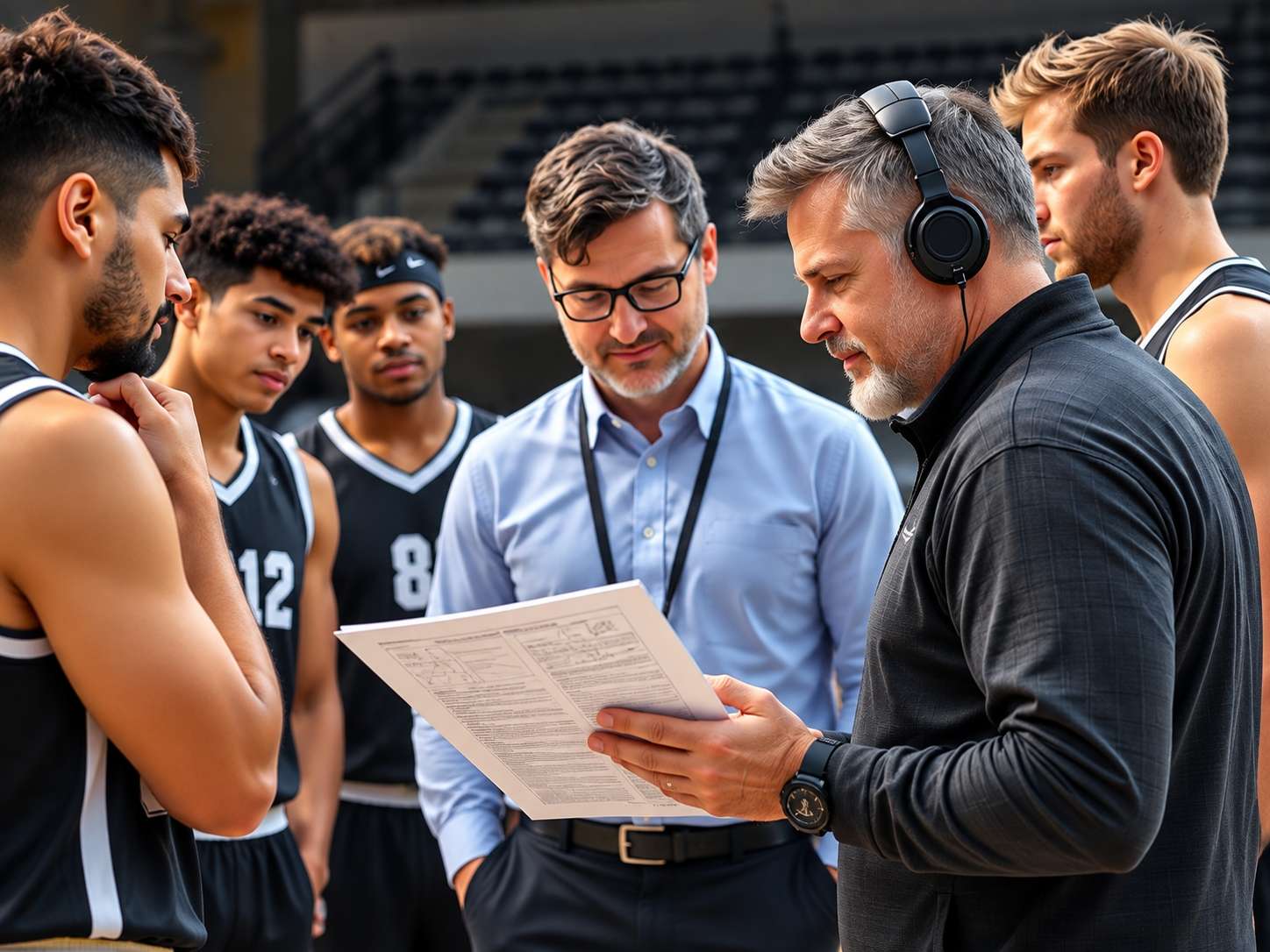
Communication keeps the plan from becoming noise
Tell athletes the theme, the success standard, and the reason each activity matters. For example, “Today we are improving first-pass quality so our attack has more options.” That sentence gives purpose without a lecture.
Parents and assistants also need clarity. A shared weekly note can explain workload, arrival times, equipment, and the focus of the week. That reduces side conversations and helps the staff reinforce the same cues.
Adjustments when the week goes sideways
Weather, injuries, exams, travel, and fatigue can change the week. The plan should have a priority order: what must stay, what can shrink, and what can move. If athletes are flat, reduce volume and keep decision quality high.
The mistake is treating the original plan as proof of professionalism. Good coaching is planned, but it is also responsive.
Useful comparison for design weekly practice plan team
| Practice block | Main purpose | Risk if overused |
|---|---|---|
| Technical | Clean mechanics | Feels disconnected from play |
| Tactical | Game understanding | Too much talking |
| Competitive | Pressure and transfer | Can become messy without a focus |
This is also where the connected article How to Build Mental Toughness Without Using Empty Sports Clichés can help, because the next decision usually depends on practice habits, equipment, safety, or fan context rather than one isolated tip.
Planning errors that weaken a team week
The most common error is treating design weekly practice plan team as a single rule instead of a context-dependent decision. Beginners may copy what elite athletes, professional teams, or experienced fans do without asking whether the same conditions apply. Intermediate readers may overcorrect in the other direction and make the plan too complex. The better route is to identify the setting, the person involved, the time available, and the cost of being wrong.
A second error is confusing objective information with opinion. Scores, fixtures, official rules, equipment restrictions, and published health guidance can be checked. Tactical interpretations, predictions, motivation advice, and buying preferences should be treated as analysis. That distinction keeps sports writing useful and fair.
Apply the weekly plan before the first whistle
The best weekly plan starts before players arrive. Confirm the theme, space, equipment, assistant roles, and the one sentence athletes should remember. If the staff cannot explain the day simply, the plan is probably too crowded. A clear session is easier to coach and easier to adjust.
Use the first activity to introduce the main behavior, the middle block to challenge it, and the final block to test it in a competitive setting. That arc turns practice into a lesson. It also makes post-practice feedback specific because the coach can compare the standard against what happened.
After the week, review what transferred into competition. If the theme appeared only in isolated drills, add more game context next time. If athletes understood the idea but lacked execution, return to simpler reps. The plan should teach the coach as well as the team.
A short checklist for the next team session
Write the theme, the first drill, the pressure drill, the competitive finish, and the one cue the staff will repeat. If any activity does not support the theme, shorten it or move it to another week.
Turn the plan into a usable coaching week
Use this guide as a practical starting point, then move to the most relevant next article for your goal. A sensible next read is How Sports Teams Make Money Beyond Ticket Sales, especially if you want to connect this topic to training, gear, planning, safety, or the business side of sport.