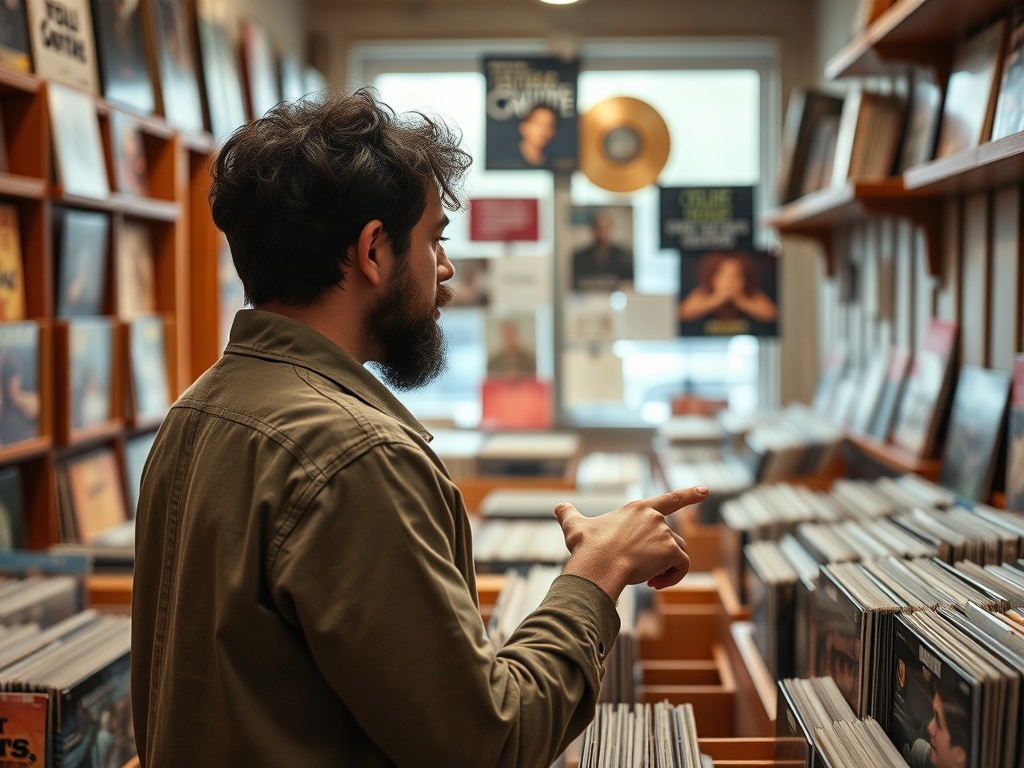
Discover new music by adding human curation, local scenes, archives, and deliberate listening prompts to your routine. Algorithms can still be useful, but they should be one tool rather than the whole map.
Quick Takeaways for More Human Music Discovery
- Follow people and institutions with taste, not only platform-generated playlists.
- Use one weekly discovery ritual: a radio show, record store bin, label catalog, local venue calendar, or friend swap.
- Listen in small batches so new songs have a chance to become memorable.
- Keep a discovery note with artist, track, source, mood, and one reason to return.
Shift From Passive Feed to Active Trail
Algorithmic recommendations are convenient because they reduce effort. The tradeoff is that they can keep you near what you already played, especially if you listen while distracted. A better discovery habit begins with one active trail: a person, station, archive, venue, label, or publication that makes choices you can question and follow.
The Library of Congress National Recording Registry is one example of a curated cultural trail. It is not designed as a playlist for every mood, but it shows how recordings can matter because of history, sound, influence, or public memory. That frame helps you think beyond “songs similar to songs I already like.”
If your entertainment habits also feel over-shaped by platforms, you may enjoy a more intentional way to evaluate streaming plans before trimming subscriptions.
Build a Four-Source Rotation
A rotation keeps discovery fresh without making it random. Choose one source from each category: an expert curator, a peer, a local scene, and an archive. The expert might be a radio host or critic. The peer might be a friend with different taste. The local scene might be a venue calendar. The archive might be a museum, library, or label catalog.
| Discovery source | How to use it | Best result |
|---|---|---|
| Human-curated playlists | Play one list weekly and save only three tracks | Taste expands without overload |
| Radio or public music programs | Listen at a set time, not as endless background | You hear sequencing and context |
| Local venues and openers | Check supporting acts before shows | You find artists before they hit your feed |
| Archives and catalogs | Choose by era, region, or instrument | You connect music to history |
| Friend swaps | Trade five tracks with one note each | Recommendations arrive with a reason |
Institutions such as Smithsonian Folkways publish curated playlists that can pull you toward folk, global, historical, and community-rooted recordings you might not find through a mainstream listening profile. Use those lists as field trips, not obligations.
Listen in Batches Small Enough to Remember
A common mistake is adding fifty songs and remembering none of them. Discovery needs friction. Try a five-song rule. When you hear something promising, save it to a temporary list, not your permanent favorites. At the end of the week, replay the list and keep only the tracks that still have a shape in your memory.
Write one short reason beside each keeper: drum sound, voice, lyric image, guitar tone, mood, production texture, or a friend’s recommendation. This note is more useful than a star rating because it teaches you what your ear is actually chasing.

Public radio programs such as NPR Music can also slow discovery down because they often combine songs with interviews, performances, and host context. That context helps new artists feel like people and scenes rather than anonymous thumbnails.
Use Algorithms as Follow-Up, Not the First Word
Once you choose a track through human discovery, algorithms become more useful. Search the producer, label, session players, venue, or collaborating artists. Let the platform help you branch outward from a choice you made consciously. This makes the feed a research assistant instead of a steering wheel.
That same idea applies to other creative habits. If you are making art and social platforms are starting to shape your work too aggressively, a calmer digital art practice can help you separate making from posting.
Mistakes That Keep Listeners Stuck
- Following only artists who already sound like your favorites.
- Saving every recommendation immediately, which turns discovery into clutter.
- Skipping opening acts at shows even when they were chosen for the same audience.
- Treating genre labels as walls instead of useful signs.
- Letting background listening replace focused first listens.
Avoid turning discovery into a taste-performance project. You do not need to like everything rare, old, difficult, or critically praised. You only need a process that regularly brings unfamiliar music into your attention and lets you decide honestly.
When to Explore Alone and When to Involve People
Solo discovery works well when you are building vocabulary. You can learn the difference between scenes, eras, instruments, and production styles at your own pace. Bring in other people when you feel your listening has narrowed. Ask a friend for one album that changed their taste, not a generic recommendation. That question invites a story.
Record stores, librarians, DJs, music teachers, and local venue staff can also help if you ask narrow questions. “I like warm soul vocals and spare arrangements” gets better answers than “What should I listen to?” Specificity makes human recommendation powerful.
A good discovery practice also changes how you talk about taste. Instead of saying only that you like a genre, you begin to identify textures: dry drums, close harmonies, sparse bass, warm room sound, long instrumental builds, or lyrics that feel conversational. Those details help humans recommend music better than a platform profile can.
Make One Weekly Discovery Appointment
Set a 30-minute appointment once a week. Pick one source, listen to five tracks, save two, and write one note. After a month, you will have a small but memorable set of artists, plus a clearer sense of which sources reliably surprise you.
A simple discovery habit starts here: choose one non-algorithmic source and use it this week. Music discovery becomes more rewarding when you can remember not only what you found, but how you found it.