
The best checking account is usually the one that matches how you get paid, pay bills, withdraw cash, and handle mistakes. Before opening one, compare fees, access, overdraft settings, deposit rules, security tools, and service quality together rather than judging the account by one advertised feature.
Key Takeaways
- Start with total cost: monthly fees, ATM fees, overdraft fees, wire fees, and waiver rules.
- Check how quickly deposits become available, how alerts work, and whether debit card controls are easy to use.
- A strong checking account should reduce money friction, not create hidden charges or access problems.
Start With the Fees You Are Most Likely to Trigger
Checking accounts can look similar until you study how each account charges for normal behavior. Monthly maintenance fees, minimum-balance requirements, out-of-network ATM fees, overdraft fees, nonsufficient funds fees, paper statement fees, and wire fees can change the real cost of an account.
Fee waivers deserve special attention. Some accounts waive the monthly fee if you receive direct deposit, keep a set average balance, use a linked account, or qualify by age or student status. A waiver that fits your income pattern may be useful. A waiver that requires a balance you rarely keep can turn into a recurring charge.
The CFPB explains that overdrafts occur when an account lacks enough money for a transaction and the institution pays it anyway, often with a fee. That makes overdraft settings one of the most practical comparison points for frequent debit card users.
For additional official context on this topic, review CFPB bank account guidance before comparing account terms, borrowing choices, or planning assumptions.
Look at Access Before You Need Cash or Support
Access includes more than branch count. Compare ATM networks, mobile deposit limits, instant card lock features, bill pay, peer-to-peer transfer compatibility, customer service hours, chat support, and how easy it is to reach a person when something goes wrong.
If you travel often, cash access and fraud controls may matter more than a local branch. If you run a household budget tightly, alerts and same-day balance visibility may matter more than a sign-up bonus. If you work irregular hours, mobile tools and support availability can become essential.
An account can be “free” yet inconvenient if you regularly pay ATM charges, wait for deposits, or cannot resolve problems quickly.
Deposit Availability Can Affect Real-Life Cash Flow
One overlooked feature is when deposited funds are available. Mobile check deposits, paper checks, transfers, and cash deposits may follow different timelines. Federal rules set maximum hold periods in many situations, but institutions still have policies customers should review before relying on a deposit.
For people paid by check, freelancers with uneven income, or households covering rent and utilities from close cash flow, deposit timing can matter as much as account price. A one-day delay may cause a missed payment, transfer failure, or overdraft if the account holder assumes the money is available immediately.
This is where a checking account and a budget work together. If cash flow is tight, build a buffer and use a monthly spending plan like the approach explained in our guide to budgeting basics that actually works.
Comparison Table: Features That Deserve a Second Look
| Feature | Why it matters | Question to ask |
|---|---|---|
| Monthly fee waiver | Avoids recurring account cost | Can I meet the waiver without changing my life? |
| Overdraft settings | Controls surprise charges | Can I opt out or receive alerts first? |
| ATM network | Affects cash access | Are convenient ATMs free for me? |
| Deposit timing | Protects bill-payment reliability | When are mobile and check deposits usable? |
| Security controls | Reduces fraud exposure | Can I lock the card and receive instant alerts? |
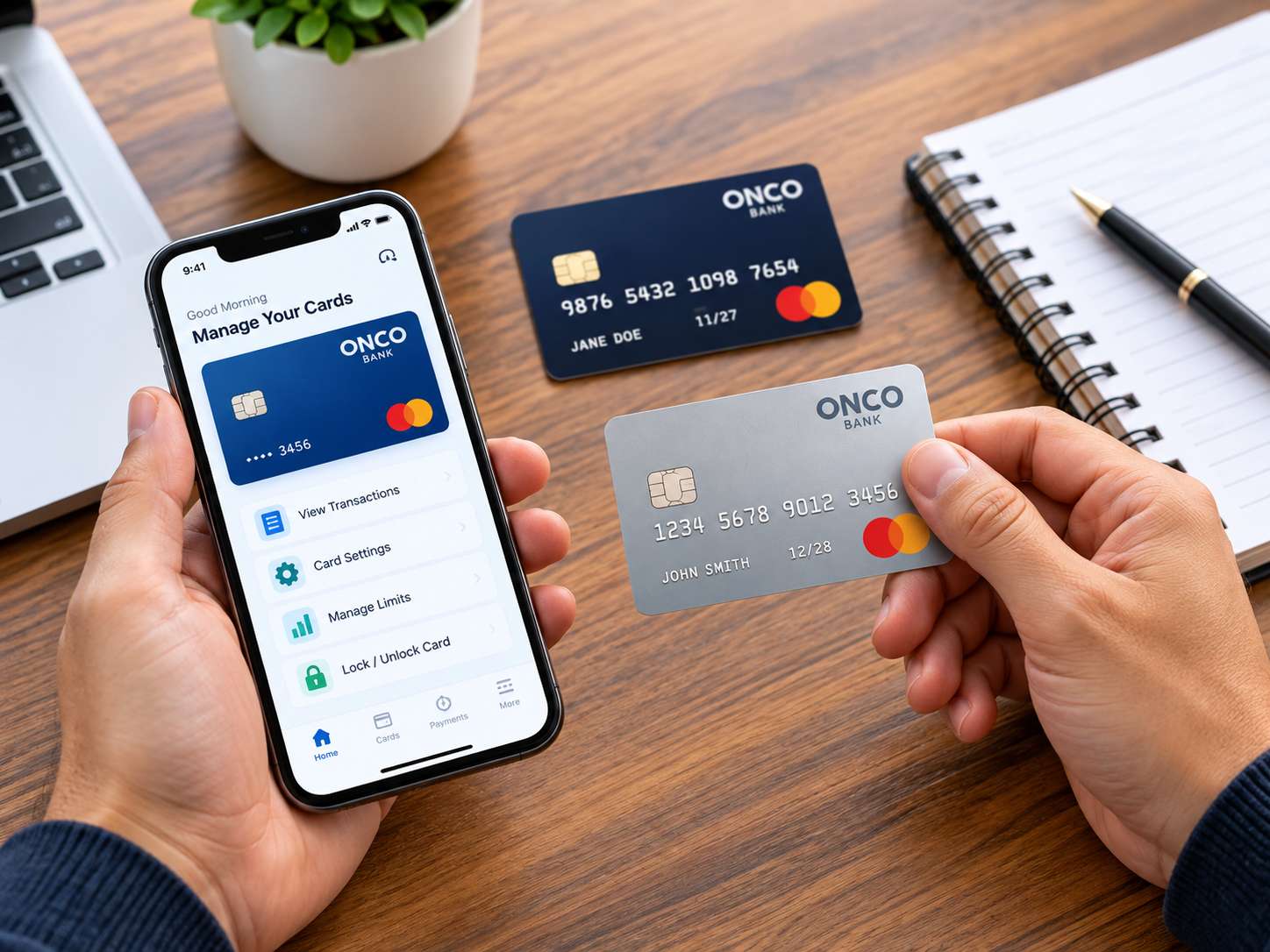
Security and Controls Should Be Easy to Use
Useful security features include debit card lock or restore, transaction alerts, low-balance alerts, biometric login, two-factor authentication, travel notices, merchant controls, and simple ways to dispute unauthorized transactions. The best tools are the ones you will actually turn on and monitor.
Fraud protection is strongest when the institution and customer both act quickly. Review the bank’s process for reporting a lost card, suspicious transfer, or unauthorized debit. Also check whether alerts arrive by text, app notification, or email, and choose the method you notice fastest.
Good controls reduce risk without making the account hard to use. If the app is confusing or alerts are unreliable, the feature list may not translate into real protection.
When Your Current Account Is the Wrong Fit
Red flags include recurring fees you cannot avoid, frequent overdrafts, slow deposits that disrupt bill payments, poor customer support, limited ATM access, confusing app controls, and unclear disclosures. A checking account should be a stable money hub, not a monthly frustration.
Before switching, list the services tied to your current account: payroll, subscriptions, rent, utilities, insurance, loan autopay, and savings transfers. Move them carefully so you do not create missed payments during the transition.
This article is for educational purposes only and is not legal, tax, investment, lending, or financial advice. Product terms, rates, eligibility rules, and consumer protections can vary by institution and jurisdiction, so readers should verify details with the relevant provider, regulator, or a qualified professional before acting.
Compare accounts using your real habits for one full month. The account that fits those habits with the least friction is usually stronger than the one with the flashiest promotion.
A Practical Account Review Routine
Once the account is open, review it after the first full statement cycle. Check whether any fee posted, whether alerts arrived correctly, whether deposits cleared as expected, and whether the debit card controls were easy to use. The best time to catch a bad fit is before every bill and subscription has moved over.
Keep a small list of account rules in one place: monthly waiver requirement, overdraft choice, ATM network, mobile deposit limit, daily debit limit, and customer service number. This prevents panic when a transaction is declined or a deposit is delayed.
Households with shared expenses should also decide who monitors balances, who receives alerts, and how transfers are approved. A shared account without shared rules can create confusion even when the account itself is strong.
Revisit the account once or twice a year. Banks change fees, features, and digital tools. Your own needs can change too, especially after a new job, move, family change, or shift from paper checks to digital payments.
Small Details That Change the Experience
Card replacement speed, check-order costs, transfer cut-off times, and mobile deposit limits may sound minor until they affect a rent payment, travel day, or urgent bill. These service details are worth comparing when two accounts look equal on headline fees.
Also review how the institution communicates changes. Fee schedules, overdraft practices, and account terms can change with notice. A customer who reads secure messages and statement inserts is less likely to be surprised later.
For official background, review CFPB bank account guidance and CFPB overdraft options as you compare terms, costs, rights, or product details.